Mission and values
- What we do
- Mission and values
- Our mission
- PROCURE at a glance
- Take action
Mission and values
Mission and values
Founded in 2003 by Marvyn Kussner, PROCURE is the only charitable organization exclusively dedicated to the fight against prostate cancer through research, outreach, education and support for men affected by this disease and their families.
Our mission
PROCURE is a charitable organization in the fight against prostate cancer. It educates, supports, and informs people affected by this disease. It promotes and contributes to the financing of world-class research.
Our vision
To provide leadership in Quebec in the fight against prostate cancer, to set the standard in the field, and accelerate research to cure the disease.
Our values
PROCURE will actively participate in the advancement of research through:- An ongoing conversation with the public and health professionals;
- The self-financing and promotion of the PROCURE Biobank, recognized worldwide for its high-value scientific samples, as well as for its crucial data on men with prostate cancer.
Our information and support services throughout a patient’s cancer experience
- Free access to health professionals via a toll-free support line available 7 days a week;
- A comprehensive Web site that is available in both official languages;
- PROCURE’s offerings – information, education, support and referrals to the most appropriate resources – for men affected by prostate cancer, their caregivers and their loved one;
- Webinars, podcasts, videos given by experts and other special events;
- A free book on prostate cancer and various publications.
20 years of awareness, support and hope
For 20 years PROCURE has provided more than:

- 10,000 patient calls on our support line
- 1,000 information tools available to patients
- 30,000 donors thanks to our awareness campaigns
- 200 health professionals involved voluntarily in our information and support program
- $14M in research investments
In doing so, you will be part of the force against prostate cancer!
- Talk to your doctor if you are over 50;
- Do it at 40 if you have a family history of prostate cancer;
- Encourage friends and colleagues to do so as well;
- Contact our healthcare professionals if you have any concerns or questions;
- Visit our website and YouTube channel for appropriate and timely information;
- Make a donation to help with research;
- Join the PROCURE Walk of Courage on Father’s Day;
- Take part in our Bowvember campaign;
- Wear the PROCURE’s special bow tie on November 19;
- Get involved by becoming a volunteer, an ambassador, or a partner;
- Help us update the information on this site.
Additional Information - Prostate cancer
Is prostate cancer hereditary?
Understanding the hereditary and genetic aspects of this disease can provide valuable information to both individuals affected and their families.

Symptoms, risk and screening
Are you over 50 or experiencing urinary problems? Discover why early screening for prostate diseases is important.

Genetics and prostate cancer
Do you have a family history of cancer? Your doctor might recommend genetic screening.
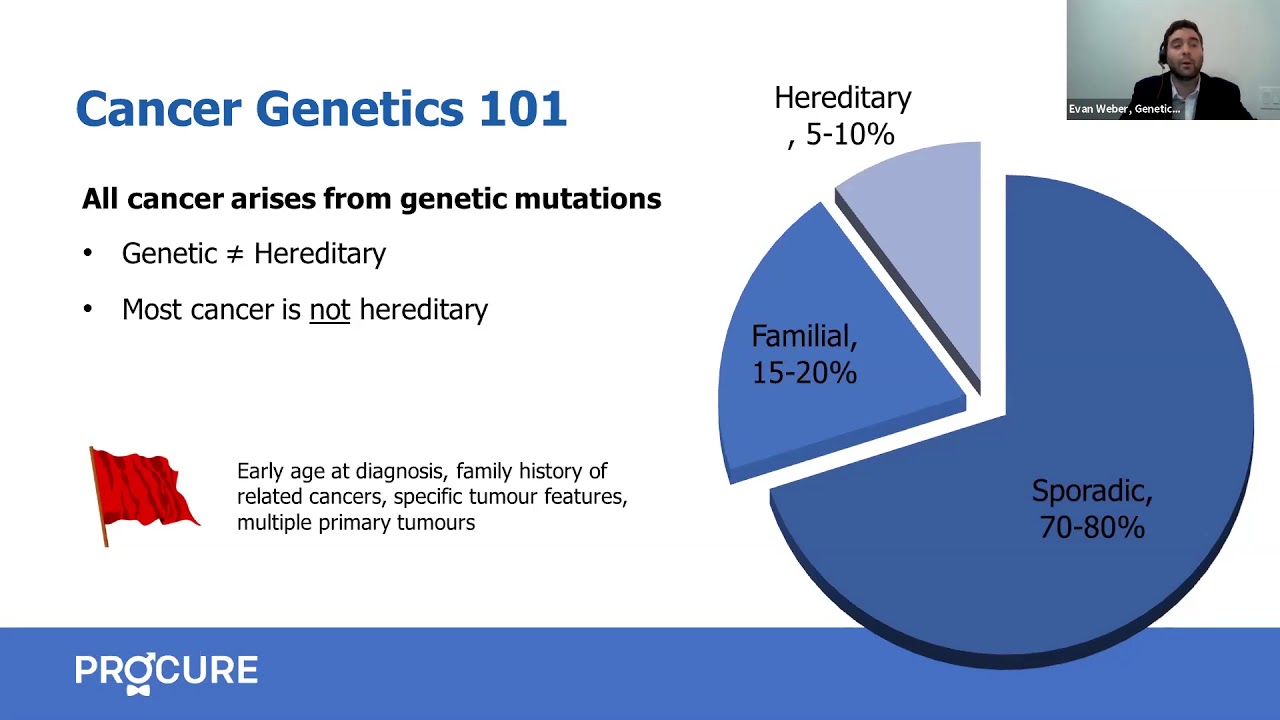
Genetic predisposition to prostate cancer
Although rare, some hereditary genetic mutations can increase your risk of prostate cancer.
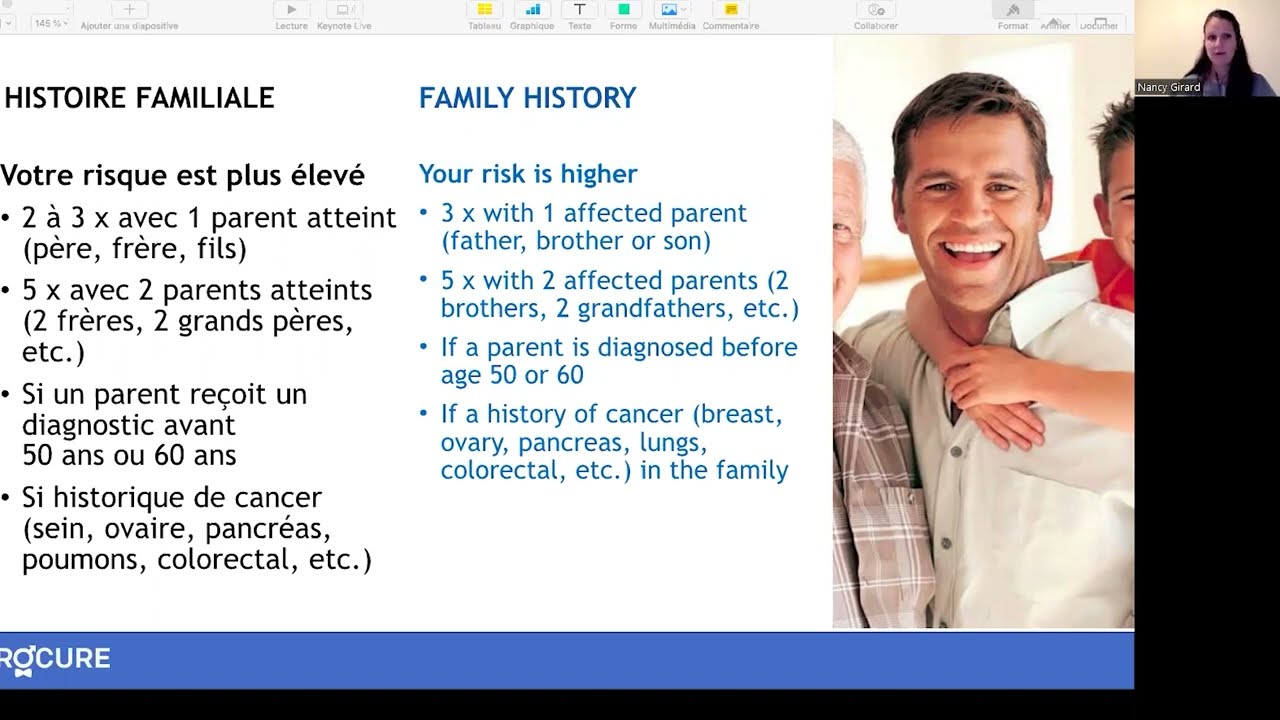
From prostate to screening
Learn about the role of your prostate, related diseases, symptoms to watch out for and risk factors.
Vitamin D deficiency may be linked to aggressive prostate cancer
The Benefits of Vitamin D A great amount of research present the multiple benefits of Vitamin D. For example, Vitamin D regulates the amount of calcium and phosphorus, helps build bones and brings many more benefits to other tissues in the body, including kidneys, intestines and parathyroid glands. In fact, past reasearch found a link […]
Are you at risk? What causes prostate cancer?
The exact causes of prostate cancer are not yet well understood. Researchers have found some risk factors and are trying to determine how these factors lead to prostate cancer.
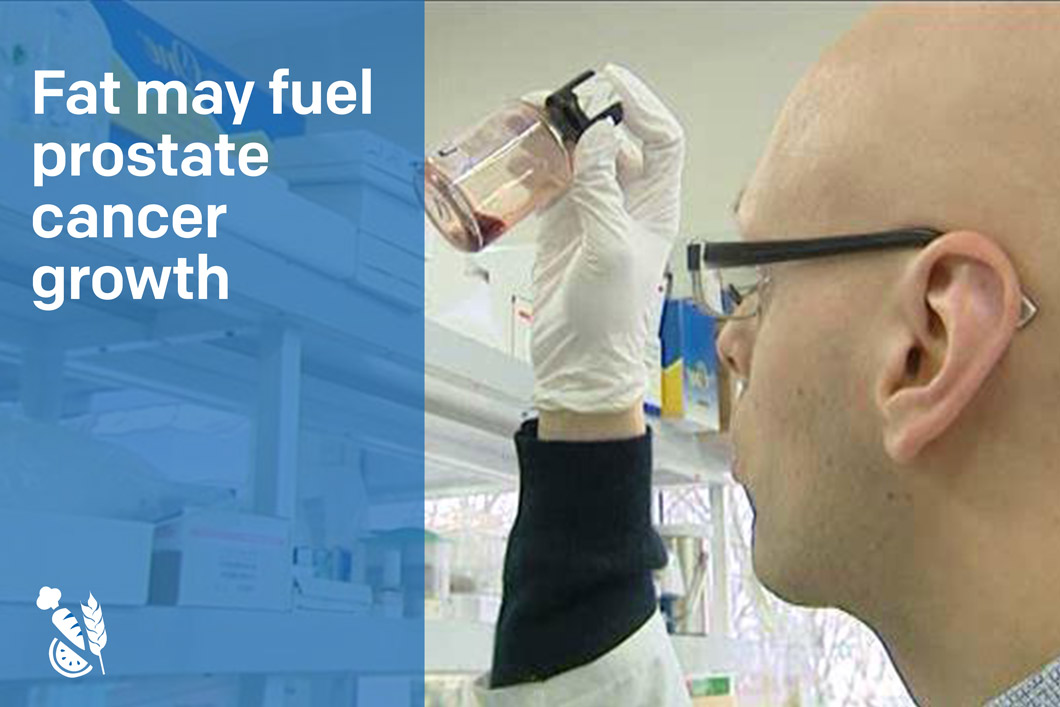
Fat may fuel prostate cancer growth
Being overweight or obese may increase a man’s risk of aggressive prostate cancer, researchers believe after doing animal and human cell studies.
Sources and references
Last medical and editorial review: April 2024. See our web page validation committee and our collaborators by clicking here.

