

A good preparation can make your radiotherapy sessions less difficult than expected, including your transportation or accommodation needs. Additionally, your preparation will play an essential role in a faster and less stressful recovery. By reading the following on this page, you will know what to expect and how to cope with it.
It’s important to stay active for your health, even if you have prostate cancer. Therefore, if you already engage in regular physical activity, continue to do so. If not, it’s never too late to add some low-intensity physical activity to your daily routine.
Thus, a simple walk of 15 to 30 minutes can be beneficial.
Although it’s stressful, it’s recommended to quit smoking to reduce the risk of lung problems and infections. If needed, your doctor can prescribe medications to help you.
Alcohol can exacerbate urinary and intestinal problems. That’s why it’s recommended to reduce your alcohol consumption.
A healthy and balanced diet will also help you prepare before all of your treatments to boost energy and stay fit.
Check with your doctor for guidance before stopping your medications.
If needed, discuss this first with your radiation oncologist.
If you need to receive your treatments in another region than yours, you will have to inform your employer. Planning your sick leave and return to work is important for your recovery and peace of mind. So, it’s essential to address the issue promptly if you are working.
If you have private insurance, talk to your insurer or your company’s Human Resources department to manage your absence and minimize your stress.
If you live in an urban area close to the hospital where the interventions take place, transportation may not be problematic. However, distance and repeated visits can pose a problem, and assistance in transportation and even accommodation becomes necessary for the smooth running of the entire treatment.
If needed, contact the Quebec Cancer Foundation for accommodation. They offer affordable, comfortable, and safe accommodation near major radiation oncology centers. Their hotels in Montreal, Gatineau, Sherbrooke, Lévis, Quebec City, and Trois-Rivières welcome you and a close companion for the duration of your treatments.
The hospital where your treatment takes place is responsible for helping you meet your transportation and accommodation needs. The Ministry of Health and Social Services has revised its User Transportation policy, which it has transmitted to all directors of health and social service establishments and to all presidents/general managers of health and social service agencies.
In its preamble, the document specifies: trips for a Quebec resident requiring transport to a health and social services network establishment are not covered by the Quebec Health Insurance Board. In principle, any trip to a network establishment is the responsibility of the person being transported unless they are eligible for a government-sponsored free program. And people with cancer are among those eligible for a government-sponsored free program.
In general, it is the designated social worker of the referring establishment who is responsible for guiding you through your transportation or accommodation procedures and for informing you of the rules and specificities of the transportation program that apply in your case.
Understanding the hereditary and genetic aspects of this disease can provide valuable information to both individuals affected and their families.

Are you over 50 or experiencing urinary problems? Discover why early screening for prostate diseases is important.

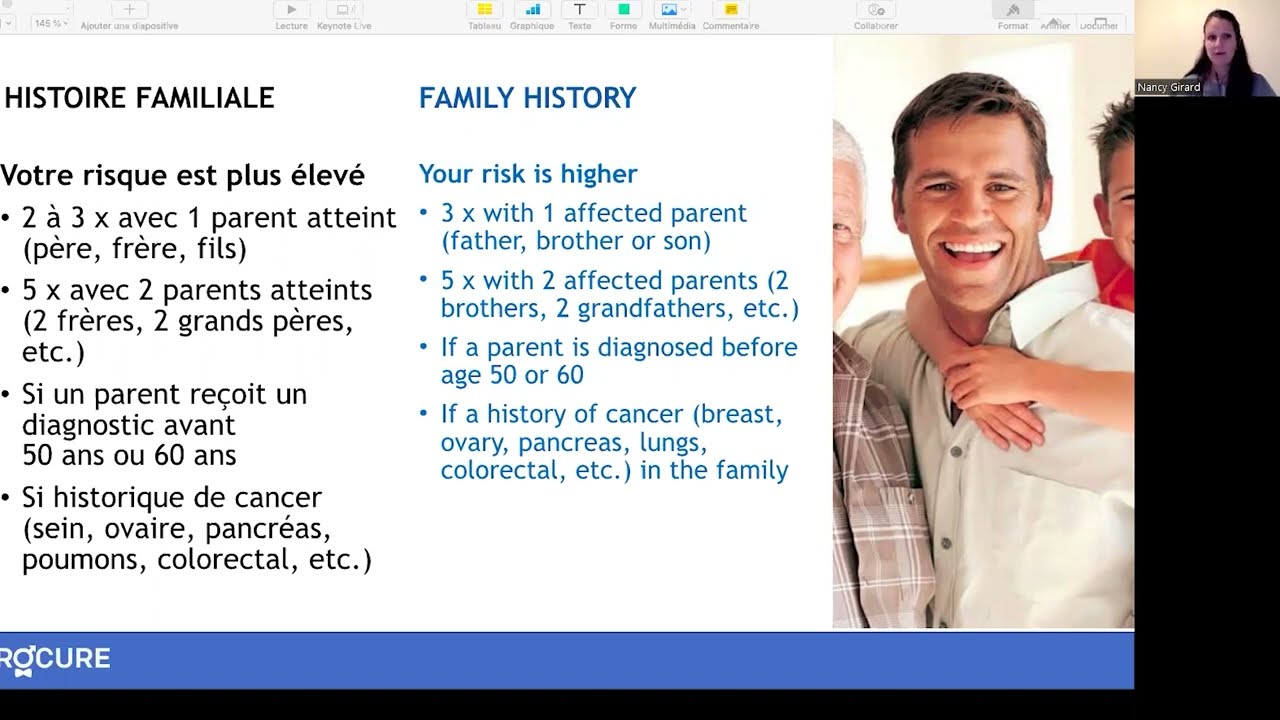
Do you have a family history of cancer? Your doctor might recommend genetic screening.
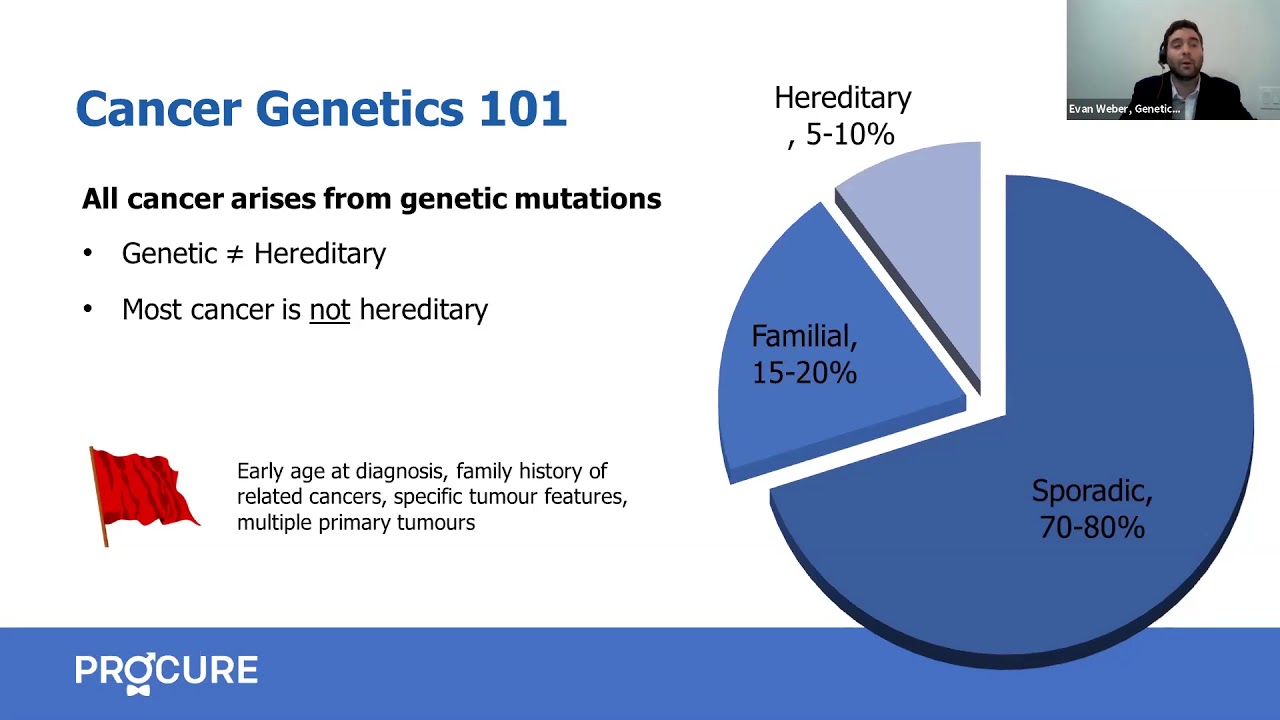
Although rare, some hereditary genetic mutations can increase your risk of prostate cancer.
Learn about the role of your prostate, related diseases, symptoms to watch out for and risk factors.

The Benefits of Vitamin D A great amount of research present the multiple benefits of Vitamin D. For example, Vitamin D regulates the amount of calcium and phosphorus, helps build bones and brings many more benefits to other tissues in the body, including kidneys, intestines and parathyroid glands. In fact, past reasearch found a link […]

The exact causes of prostate cancer are not yet well understood. Researchers have found some risk factors and are trying to determine how these factors lead to prostate cancer.
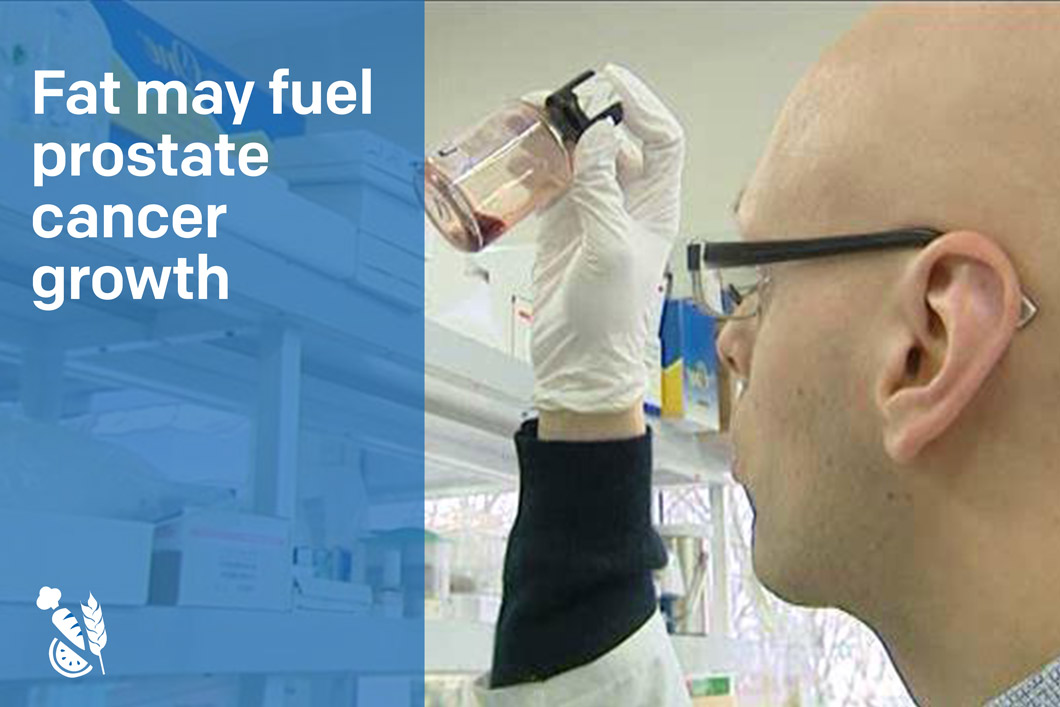
Being overweight or obese may increase a man’s risk of aggressive prostate cancer, researchers believe after doing animal and human cell studies.

“My father got prostate cancer when he was 54. My elder brother got it at 52. And I got it at 56, despite my healthy habits.”
Sources and references
Last medical and editorial review: April 2024. See our web page validation committee and our collaborators by clicking here.