The Process of these Interventions
- Brachytherapy
- The Process of these Interventions
The Process of these Interventions
The procedure for permanent (with seeds) and temporary brachytherapy varies depending on the treatment.
During brachytherapy (permanent seed implant)
Your medical team will explain the exact procedure planned for you. Feel free to ask them any questions.
- An antibiotic will be given to you via infusion before the procedure.
- The procedure lasts from 1 hour to 1 hour 30 minutes.
- It is mostly done under local anesthesia. The lower part of your body is “frozen,” but you are not asleep. However, some patients may need to be asleep. Once you are anesthetized, a urinary catheter is placed.
- To visualize the prostate well and properly implant the radioactive seeds, an ultrasound probe is used. It is a small tube inserted through the rectum that provides clear images of the prostate, urethra, and rectum, acquiring images on the computer. The goal is to optimize irradiation to treat the tumor while sparing neighboring healthy organs.
- Ultrasound guides the insertion of needles for introducing the radioactive sources. These needles, containing the seeds, allow them to be inserted into the prostate. The needles are inserted through the perineum (the area between the testicles and the anus). The seeds (between 40 and 60) are placed with very high precision.
- No incisions are made. When the needles are removed, the skin closes immediately, similar to a blood draw.
- At the end of the implantation, you are taken to the recovery room.
- Usually, the urinary catheter is removed before you leave the hospital. If not, it is typically done the next day at a local community health center (CLSC). Normally, you leave the hospital in the evening.
During high-dose rate brachytherapy (temporary)
Your medical team will explain the exact procedure planned for you. Feel free to ask them any questions.
- The procedure lasts about 2 hours.
- The procedure is performed by an experienced radiation oncologist.
- This treatment is administered while you are “asleep” (general anesthesia or epidural). This ensures you feel no pain during the treatment, and you remain still, which is crucial. A sedative may be offered before anesthesia.
- A urinary catheter is inserted. It is a tube that goes through the penis and allows you to urinate.
- The doctor inserts small empty plastic tubes (12 to 18 catheters or more) into the skin, between the scrotum and the anus. These tubes are then inserted deeper into the body, up to the prostate, using a probe. At this stage, no radioactive source is added. The procedure takes about 45 minutes.
- The medical team ensures that these tubes are well placed and conducts a computer simulation to ensure complete treatment of the prostate and all targeted tissues. Such simulation’s main advantage is dose optimization. This method aims to administer homogeneous treatment to the prostate and reduce effects on normal structures (such as the urethra, rectum, and bladder).
- The tubes are connected to a treatment device. This device sends a radioactive source (Iridium 192) through the tubes. The treatment lasts 20 to 30 minutes.
- Then, the tubes are removed, and you are taken to the recovery room.
- Usually, the urinary catheter is removed before you leave the hospital. If not, it is typically done the next day at a local community health center (CLSC). Normally, you leave the hospital in the evening.
Your return home and instructions to follow are similar to those described for external beam radiotherapy.

Additional Information - Treatment options
Is prostate cancer hereditary?
Understanding the hereditary and genetic aspects of this disease can provide valuable information to both individuals affected and their families.

Symptoms, risk and screening
Are you over 50 or experiencing urinary problems? Discover why early screening for prostate diseases is important.

Genetics and prostate cancer
Do you have a family history of cancer? Your doctor might recommend genetic screening.
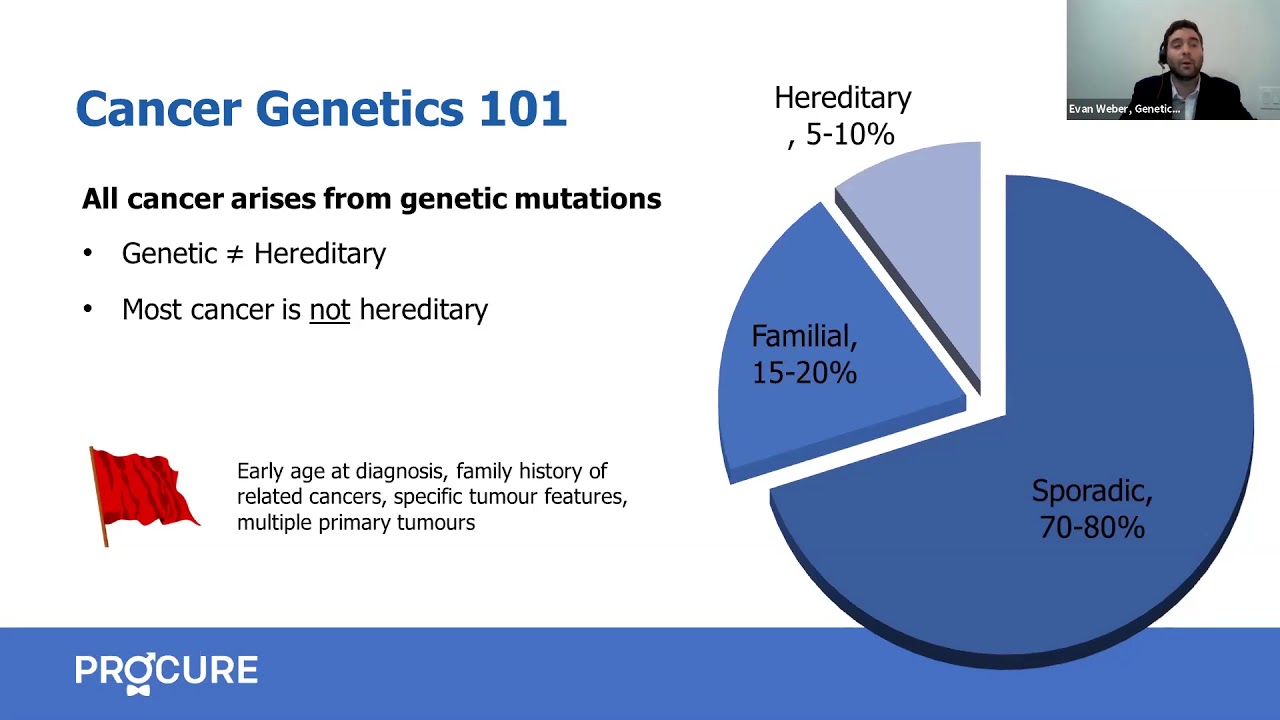
Genetic predisposition to prostate cancer
Although rare, some hereditary genetic mutations can increase your risk of prostate cancer.
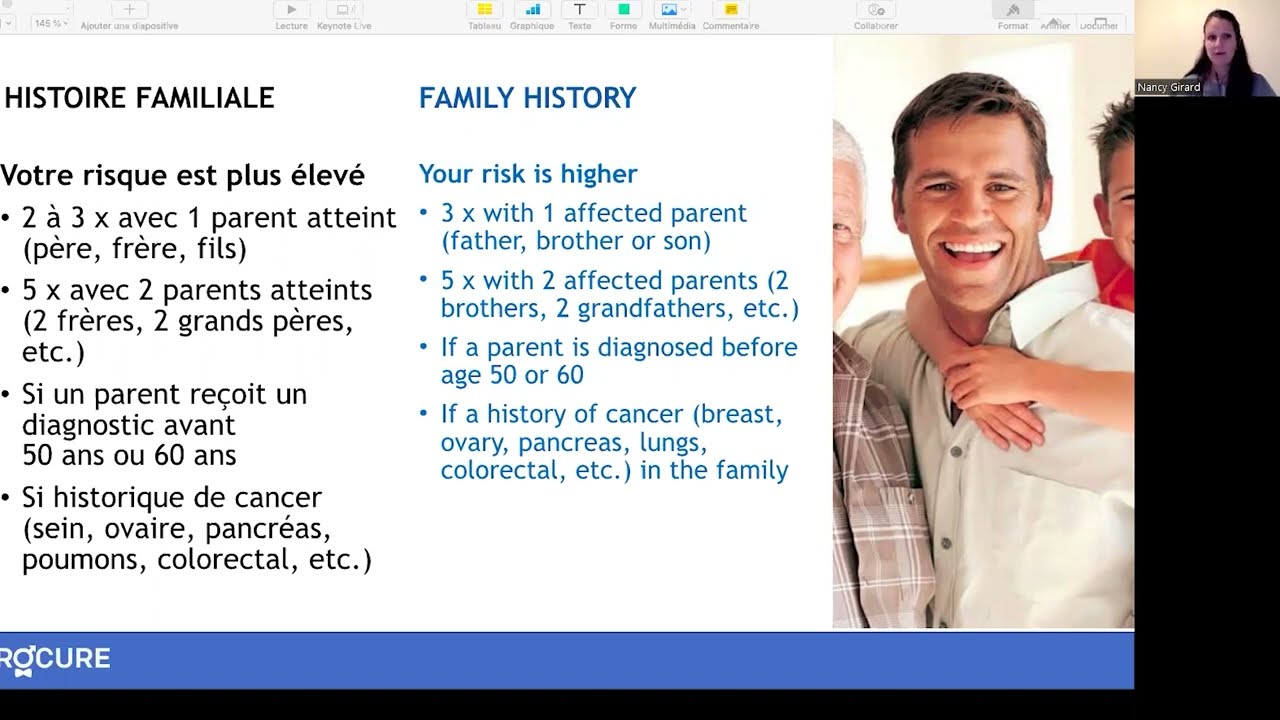
From prostate to screening
Learn about the role of your prostate, related diseases, symptoms to watch out for and risk factors.
Vitamin D deficiency may be linked to aggressive prostate cancer
The Benefits of Vitamin D A great amount of research present the multiple benefits of Vitamin D. For example, Vitamin D regulates the amount of calcium and phosphorus, helps build bones and brings many more benefits to other tissues in the body, including kidneys, intestines and parathyroid glands. In fact, past reasearch found a link […]
Are you at risk? What causes prostate cancer?
The exact causes of prostate cancer are not yet well understood. Researchers have found some risk factors and are trying to determine how these factors lead to prostate cancer.
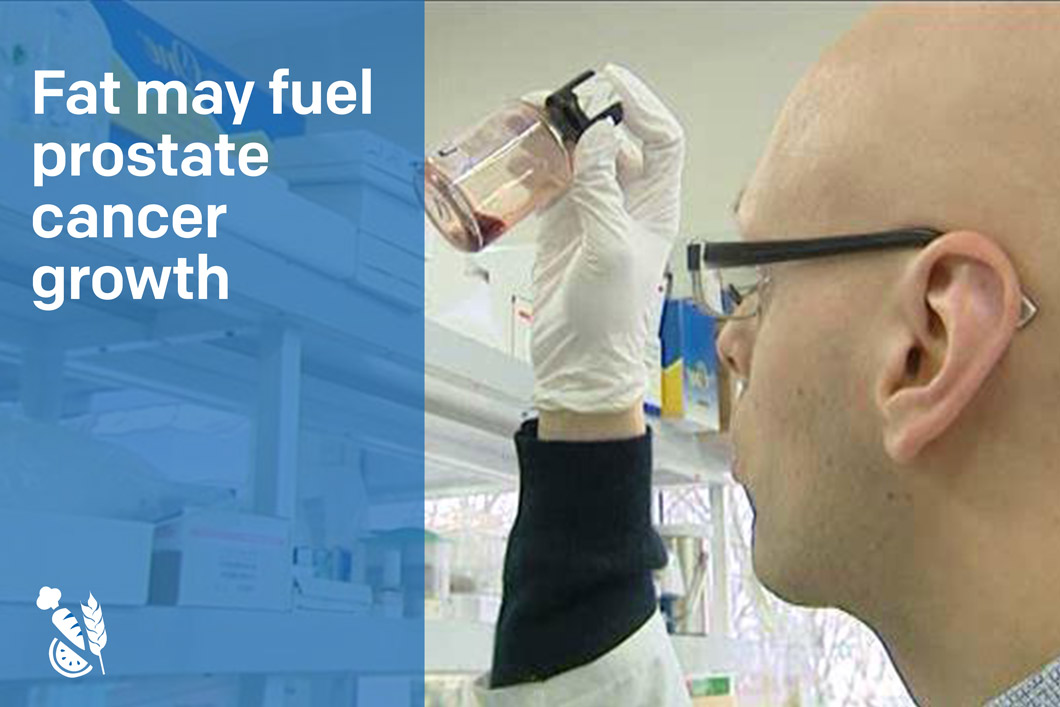
Fat may fuel prostate cancer growth
Being overweight or obese may increase a man’s risk of aggressive prostate cancer, researchers believe after doing animal and human cell studies.

Inherited Predisposition and Prostate Cancer
“My father got prostate cancer when he was 54. My elder brother got it at 52. And I got it at 56, despite my healthy habits.”
Sources and references
Last medical and editorial review: April 2024. See our web page validation committee and our collaborators by clicking here.
