Convalescence following brachytherapy
- Brachytherapy
- Convalescence following brachytherapy
Convalescence following brachytherapy
High dose-rate brachytherapy: Your return home and instructions to follow are similar to those described for external radiotherapy treatment.
Low dose-rate brachytherapy: requires only a short recovery period.
You can resume your normal activities and restart some sports in the first few days following the procedure.
However, once back home, avoid strenuous efforts. Avoid heavy physical exertion for at least 4 weeks.
- No cycling
- No gym workouts
- No heavy lifting
Could I experience discomfort after treatment?
You may experience one or more of the following side effects:
- Bruising (bruise) may appear on the testicles or penis, immediately after treatment or a few days later. This is normal and generally not very painful. To relieve it, apply ice to the affected area and take pain relievers.
- There may be blood in your urine (a few hours or days) or in your semen (up to six weeks). This is normal. If you see small clots (clumps) of blood in your urine, drink plenty of water. This should pass.
- During the month following treatment, you may need to urinate more frequently. You may also experience a slight burning sensation when urinating. If this is the case, talk to your doctor. Medications can help.
- Passing stools may be painful if your anus is irritated. Some people also have diarrhea. These effects (more rare) usually disappear about 5 weeks after treatment. However, they may come back from time to time.
- Important: If you are unable to urinate, call 911 for emergency medical assistance or go to the hospital emergency room.
When will I see my doctor again?
You will meet with your doctor 1 month after your treatment. This is to ensure that the radioactive sources have remained in place and to monitor the dose received. He will perform an X-ray and a scan of your prostate if you have received temporary brachytherapy (HDD). Afterward, you will see your doctor, alternating with your urologist, every 3 to 4 months, for at least 5 years.
If I can’t make it to my appointment
Call the Radiotherapy Department of the hospital as soon as possible.
For help or questions
If you have any questions or concerns:
- During the day, on weekdays, call the Radiotherapy Department and ask to speak to your clinical contact person.
- In the evening or on weekends, call the hospital directly and ask to speak to the on-call radiation oncologist.
Safety measures and sexual activities
Since you have radioactive sources, you must take certain precautions.
During the first three months following the procedure
- Pregnant women should remain at a distance of about one meter (three feet) from the patient.
- A child under twelve should not sit on the patient’s lap for long periods (no more than 5 hours per day). However, they can sit beside.
However, there is no contraindication to sleeping in the same bed as your partner unless she is pregnant. Transmission Radioactive seeds do not make bodily fluids, such as urine or semen, radioactive. Therefore, there is no risk of radiation transmission to a partner.
- Men who engage in sexual activities immediately after the procedure sometimes experience burning sensations and pain during ejaculation.
- Additionally, they may notice blood in their semen. This poses no danger to the man or his partner, and this symptom will disappear over time.
Seed displacement
The risks of displacement of radioactive seeds are minimal. Ejection of a seed during intercourse is extremely rare.

- However, according to experts, if a seed is ejaculated into the partner’s body, there is no danger to them.
- To ensure optimal protection for your partner, it is recommended to use a condom for at least your first 5 ejaculations or throughout your partner’s pregnancy. After some time, the seeds become inactive and remain permanently in the body without causing damage. Your doctor will provide more details after your procedure.
Additional Information - Treatment options
Is prostate cancer hereditary?
Understanding the hereditary and genetic aspects of this disease can provide valuable information to both individuals affected and their families.

Symptoms, risk and screening
Are you over 50 or experiencing urinary problems? Discover why early screening for prostate diseases is important.
Genetics and prostate cancer
Do you have a family history of cancer? Your doctor might recommend genetic screening.
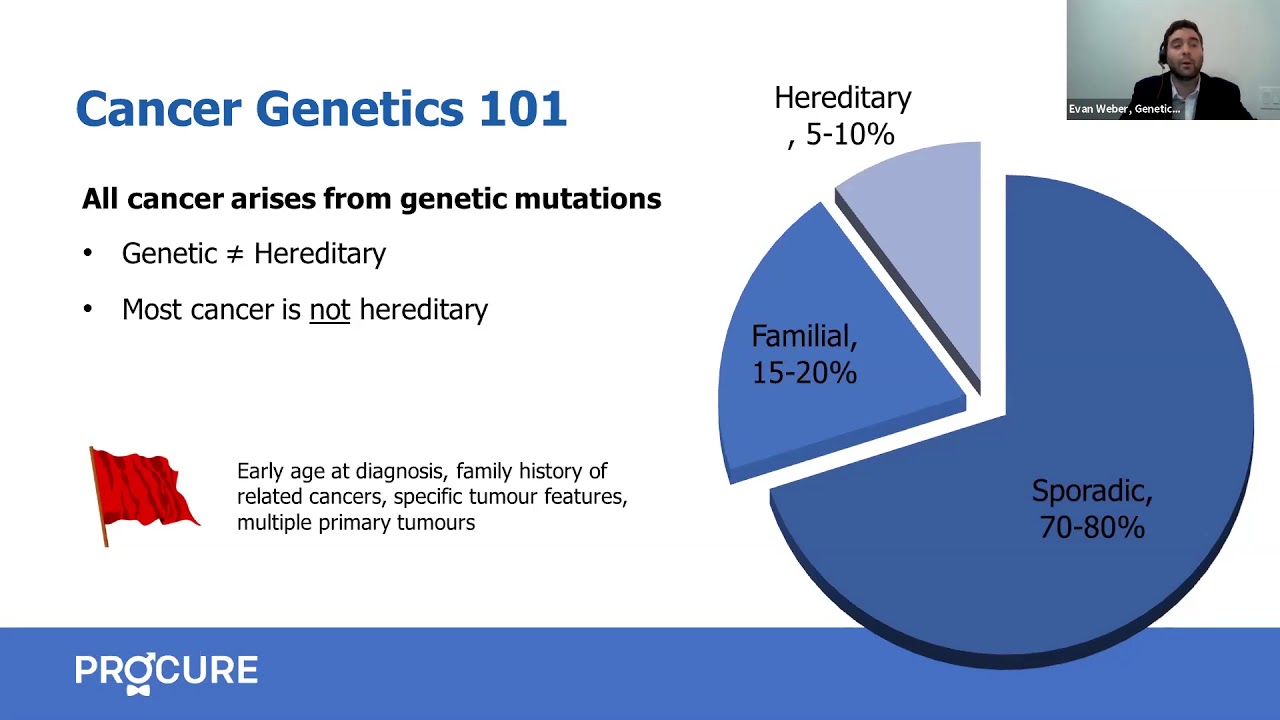
Genetic predisposition to prostate cancer
Although rare, some hereditary genetic mutations can increase your risk of prostate cancer.
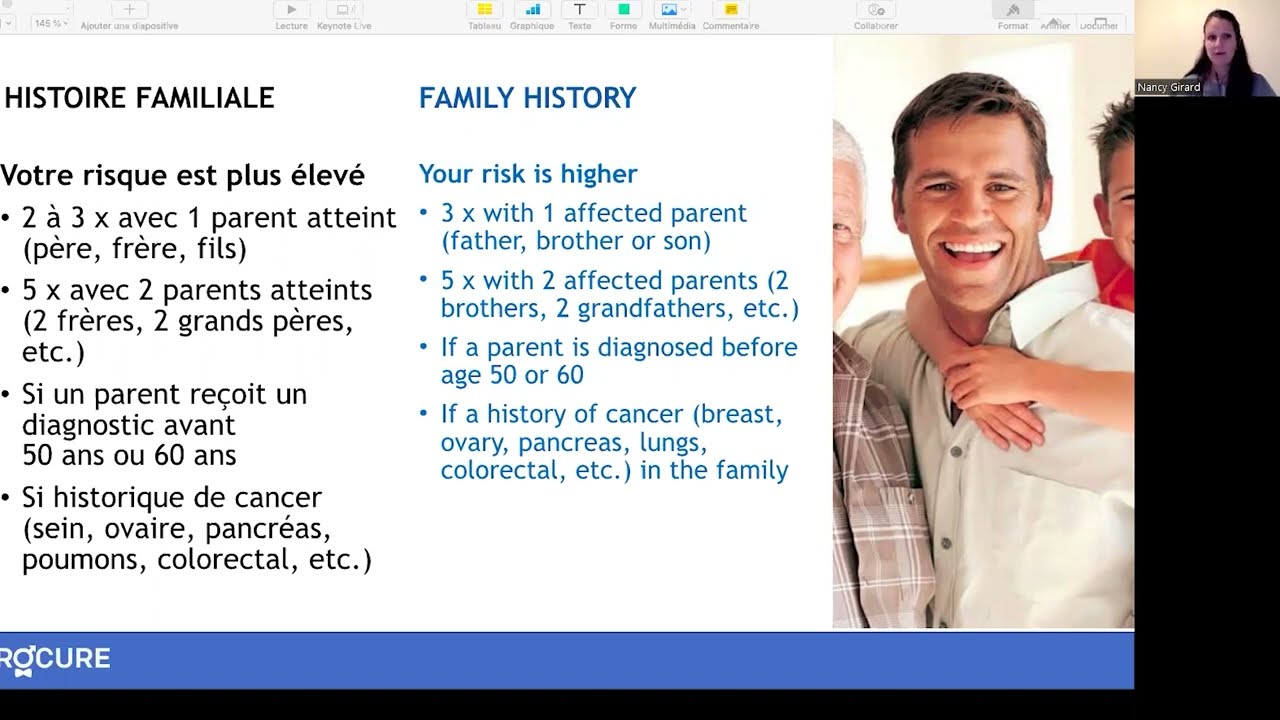
From prostate to screening
Learn about the role of your prostate, related diseases, symptoms to watch out for and risk factors.
Vitamin D deficiency may be linked to aggressive prostate cancer
The Benefits of Vitamin D A great amount of research present the multiple benefits of Vitamin D. For example, Vitamin D regulates the amount of calcium and phosphorus, helps build bones and brings many more benefits to other tissues in the body, including kidneys, intestines and parathyroid glands. In fact, past reasearch found a link […]
Are you at risk? What causes prostate cancer?
The exact causes of prostate cancer are not yet well understood. Researchers have found some risk factors and are trying to determine how these factors lead to prostate cancer.
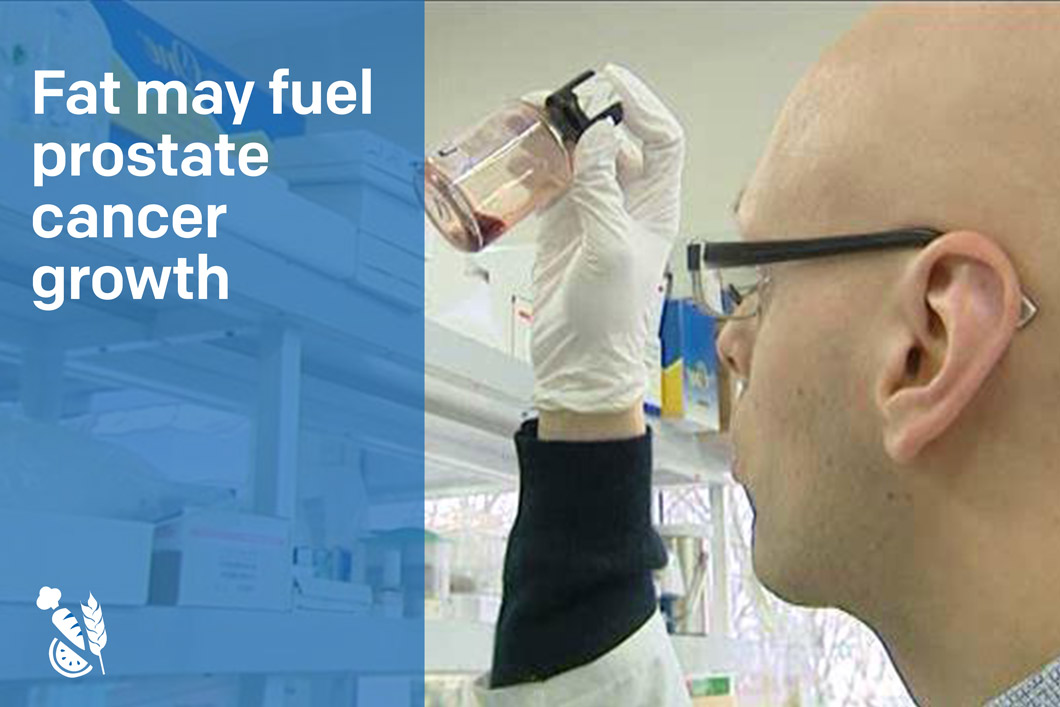
Fat may fuel prostate cancer growth
Being overweight or obese may increase a man’s risk of aggressive prostate cancer, researchers believe after doing animal and human cell studies.

Inherited Predisposition and Prostate Cancer
“My father got prostate cancer when he was 54. My elder brother got it at 52. And I got it at 56, despite my healthy habits.”
Sources and references
Last medical and editorial review: April 2024. See our web page validation committee and our collaborators by clicking here.
