

Pain is not always present in cases where prostate cancer recurs. However, bone metastases are common and they are often painful. The palliative care team specializes in pain control when the situation is unclear. The palliative care physician may then use a combination of medications (e.g., opioid analgesics, nonsteroidal anti-inflammatory agents, steroids, bisphosphonates) and prescribe radiographic evaluation.
Sometimes, the physician may turn to an anesthesiologist who performs a nerve block to alleviate pain. Pain caused by the specific action of a nerve may require the use of medications (gabapentin, tricyclic antidepressants, methadone) for what is called “neuropathic pain.”
Symptoms affecting the bladder, stomach, and intestines are sometimes observed and treated with medication combinations. Laxatives are almost always used to combat one of the side effects of opioid analgesics (constipation), a common complication of advanced prostate cancer treatment.
In the presence of lymphedema (edema in one or both legs), the physician prescribes a massage technique, manual lymphatic drainage, and recommends the use of special bandages or elastic stockings.
Fatigue is another common symptom. Blood transfusions are a possible recourse when fatigue is caused by anemia. If mobility is reduced, an occupational therapist or physiotherapist may intervene to help the patient maintain functional abilities and autonomy.
For family or psychological problems, the palliative care team is there for the family and the patient. Meetings are often arranged with family members to discuss issues related to death and dying.
The palliative care team can also help resolve social and financial problems that arise, as well as communication difficulties among family members. This is the time for honesty and open-mindedness. Additionally, they provide long-term assistance for any bereavement-related issues, as well as counseling services for those in need.
At all stages of the disease, the palliative care team can help control symptoms and relieve pain. In the advanced stage, these professionals provide advice on how to maximize the patient’s functional capabilities or help them overcome psychological distress.
They work with patients, at home, in outpatient hospital clinics, as well as in units reserved for hospitalized patients. The palliative care network includes hospital services or clinics that offer hospital treatment for particularly severe symptoms or when families can no longer provide care at home.
Teams responsible for hospitalized patients in palliative care units or outpatient clinics include physicians, nurses, a psychologist, a physiotherapist or occupational therapist, a social worker, a chaplain, an art therapist, a music therapist, a grief counselor, and volunteers.
These individuals work closely with the patient and their family as part of an individualized program to improve their quality of life. Typically, the patient’s room is arranged so that family members can stay overnight. It sometimes happens that after admission to palliative care, the patient and their family feel capable of returning to home care. For more information, visit the Quebec Palliative Care Network website.
Team members in hospitals or other facilities:
These individuals will be in close contact with the patient and family members as part of an individualized program aimed at ensuring the best possible quality of life. Typically, family members are allowed to spend the night in the patient’s room. Following the admission of a patient to a palliative care center, it sometimes happens that the patient and family members feel able to return to home care.
In the advanced stage of the disease, those affected may feel hopeless and give up the fight. By sorting out their priorities, they realize that all is not lost, that there are things to do and moments of joy to experience. The patient realizes the importance of family, friends, children, and everything he leaves behind. It is not paradoxical to say that the palliative phase is sometimes full of hope. Even as a life ends, the relationship between the patient and their loved ones can be pleasant and warm. The palliative care team is there to help you achieve this end.

Understanding the hereditary and genetic aspects of this disease can provide valuable information to both individuals affected and their families.

Are you over 50 or experiencing urinary problems? Discover why early screening for prostate diseases is important.

Do you have a family history of cancer? Your doctor might recommend genetic screening.
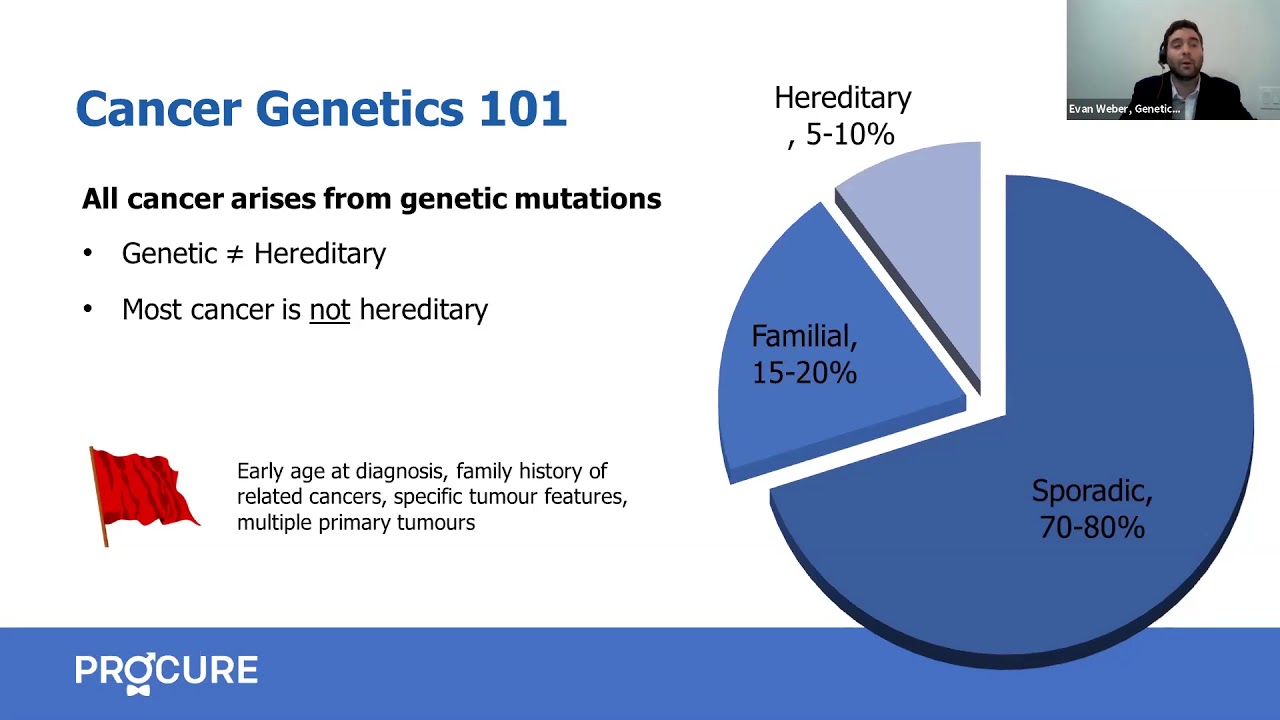
Although rare, some hereditary genetic mutations can increase your risk of prostate cancer.
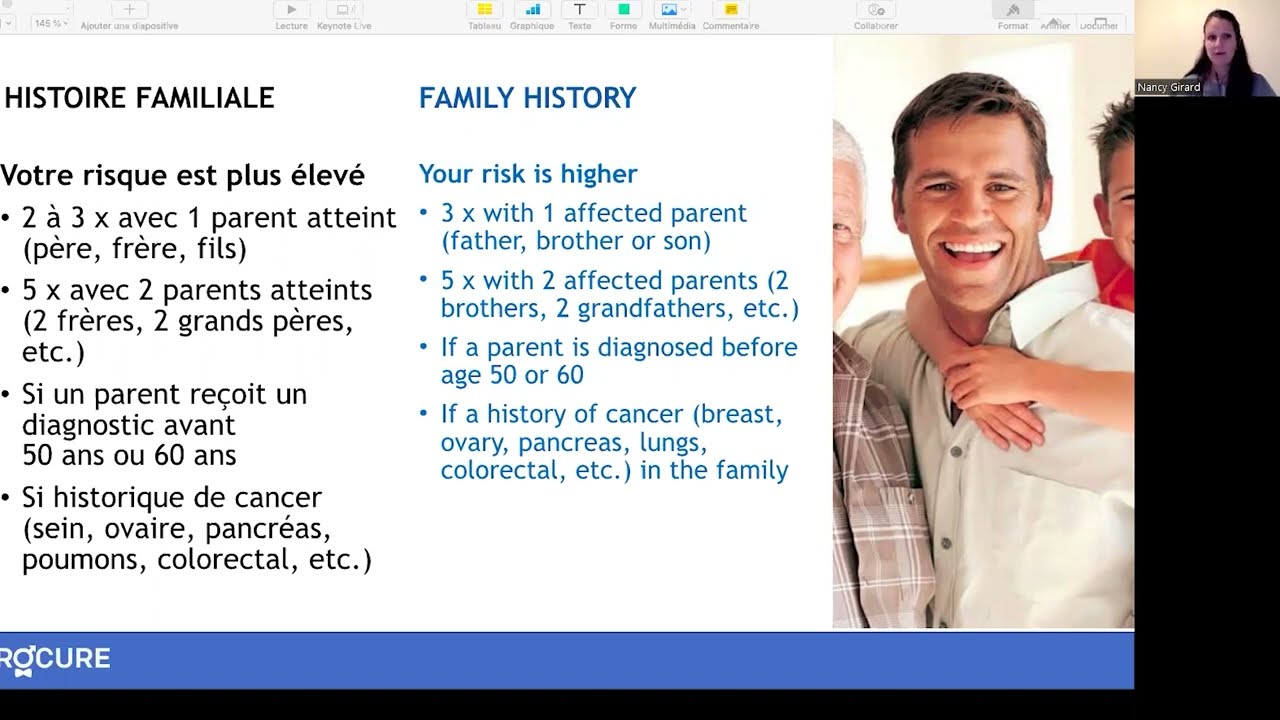
Learn about the role of your prostate, related diseases, symptoms to watch out for and risk factors.

The Benefits of Vitamin D A great amount of research present the multiple benefits of Vitamin D. For example, Vitamin D regulates the amount of calcium and phosphorus, helps build bones and brings many more benefits to other tissues in the body, including kidneys, intestines and parathyroid glands. In fact, past reasearch found a link […]

The exact causes of prostate cancer are not yet well understood. Researchers have found some risk factors and are trying to determine how these factors lead to prostate cancer.
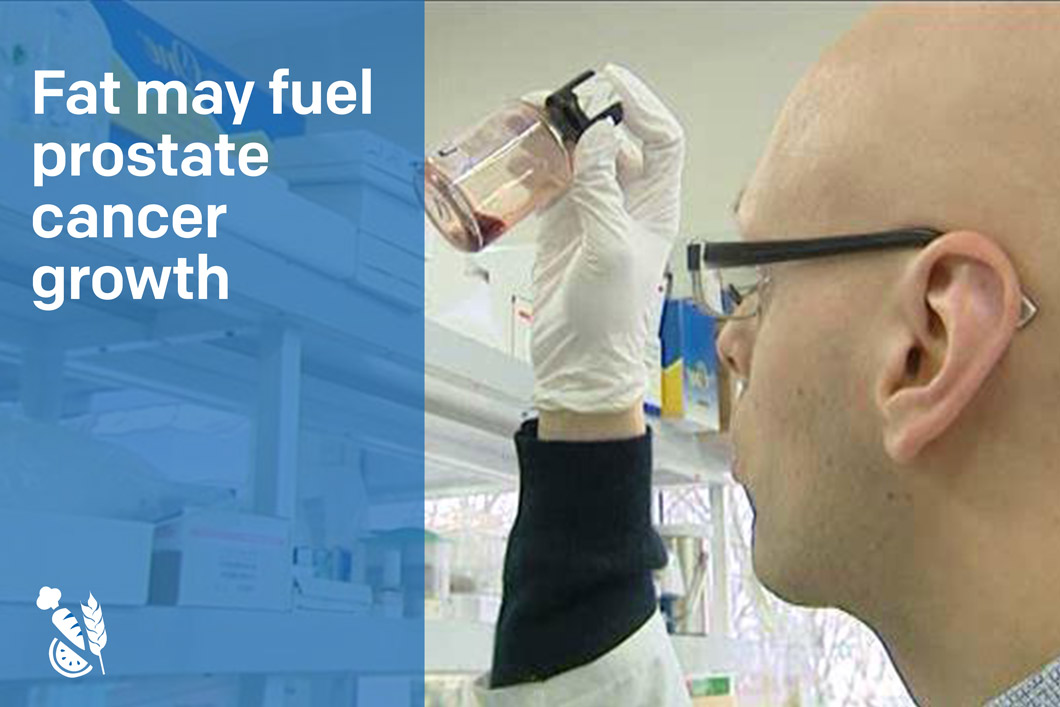
Being overweight or obese may increase a man’s risk of aggressive prostate cancer, researchers believe after doing animal and human cell studies.
Sources and references
Last medical and editorial review: April 2024. See our web page validation committee and our collaborators by clicking here.