Benefits of Omega-3
- Your diet
- Benefits of Omega-3
Benefits of Omega-3
Benefits of Omega-3

We often forget the importance of “good” fat in our regular diet. An example of such are polyunsaturated fats, like omega-6 and omega-3, which are essential for our body to function but that the human body is unable to produce itself. The only solution for this is to get it from our food. Much of the food that we are already in the habit of eating, such as meat, eggs, and vegetables, contains a lot of omega-6. Omega-3, on the other hand, is harder to find in food.
It is important to maintain a good balance between omega-6 and omega-3; the body uses the former to promote inflammation and the latter to reduce inflammation. Nutrient imbalances make the body a fertile breeding ground for diseases like cancer.
Fatty acids play an important role in tissue regeneration and keeping your prostate healthy.

There are 2 types of Omega-3
Fish
- Fish – sardines, herring, mackerel, salmon (Atlantic), rainbow trout, etc., are rich in omega-3. Aim to have 2 servings of fish per week.
- Fish is better eaten fresh. Frozen fish loses omega-3 over time.
- Canned sardines are only good if they are preserved in olive oil and not in sunflower oil which is high in omega-6.
Plant sources
- Sources include fresh walnuts, flax seeds, walnut oil, canola oil, soya beans, tofu, etc.
- Flax seeds are a source of phytoestrogen that also contain fatty acids that can be beneficial when it comes to prostate cancer. You should not surpass the recommended daily intake of 45 g as flax seeds can lead to digestive problems. The seeds can be ground and mixed with other foods or consumed in the form of flax seed oil. Flax seed oil can be refrigerated for up to 3 months if kept in an opaque bottle that keeps it from oxidizing.
Is prostate cancer hereditary?
Understanding the hereditary and genetic aspects of this disease can provide valuable information to both individuals affected and their families.
Symptoms, risk and screening
Are you over 50 or experiencing urinary problems? Discover why early screening for prostate diseases is important.
Genetics and prostate cancer
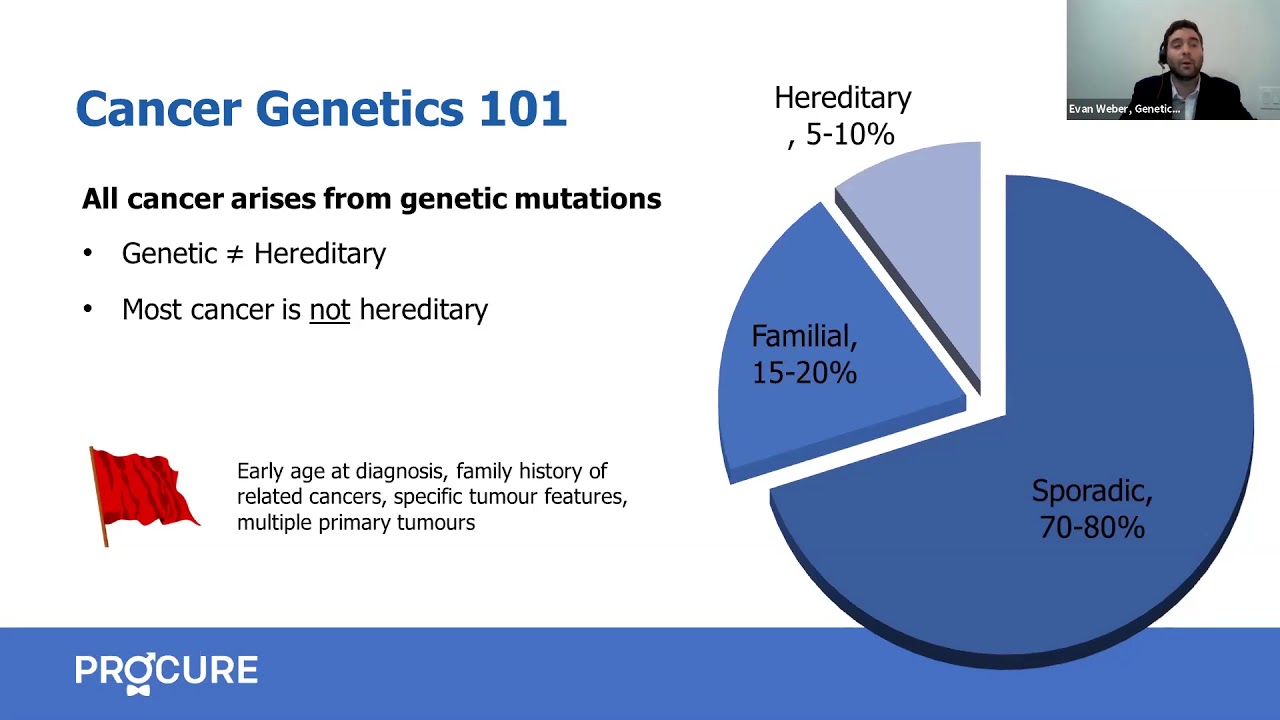
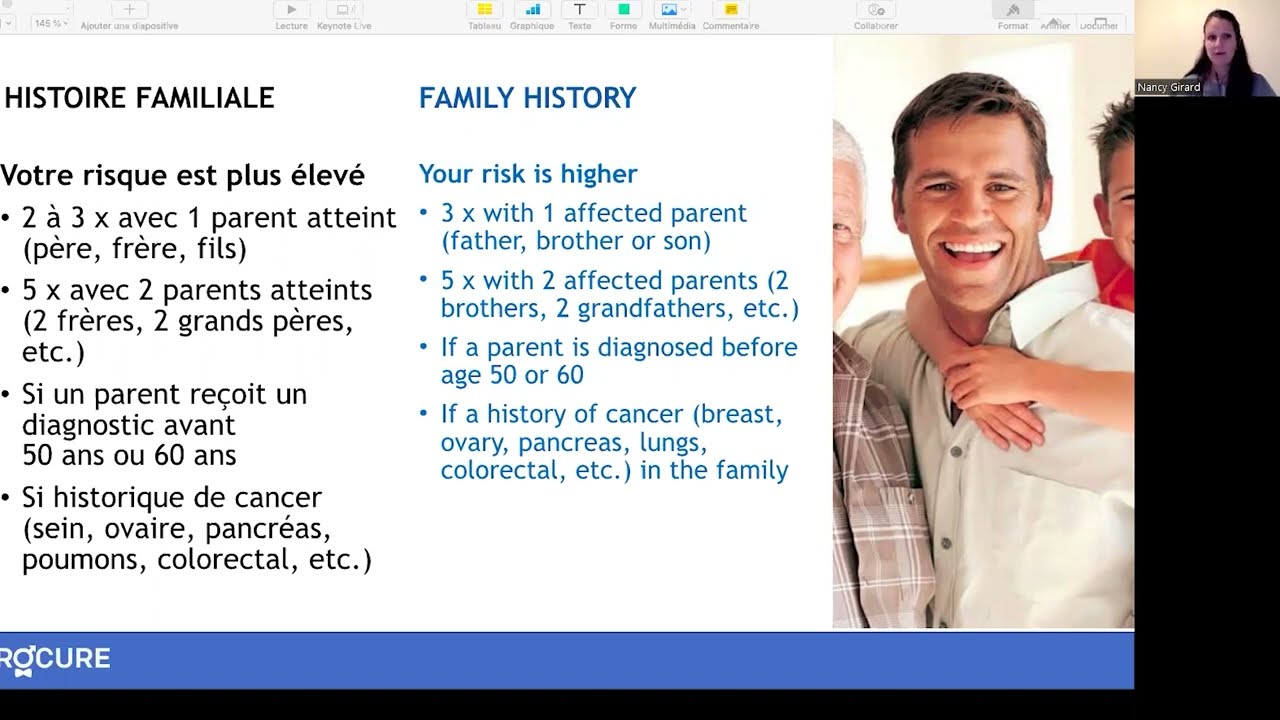
Do you have a family history of cancer? Your doctor might recommend genetic screening.
Genetic predisposition to prostate cancer
Although rare, some hereditary genetic mutations can increase your risk of prostate cancer.
From prostate to screening
Learn about the role of your prostate, related diseases, symptoms to watch out for and risk factors.
Vitamin D deficiency may be linked to aggressive prostate cancer
The Benefits of Vitamin D A great amount of research present the multiple benefits of Vitamin D. For example, Vitamin D regulates the amount of calcium and phosphorus, helps build bones and brings many more benefits to other tissues in the body, including kidneys, intestines and parathyroid glands. In fact, past reasearch found a link […]
Are you at risk? What causes prostate cancer?
The exact causes of prostate cancer are not yet well understood. Researchers have found some risk factors and are trying to determine how these factors lead to prostate cancer.
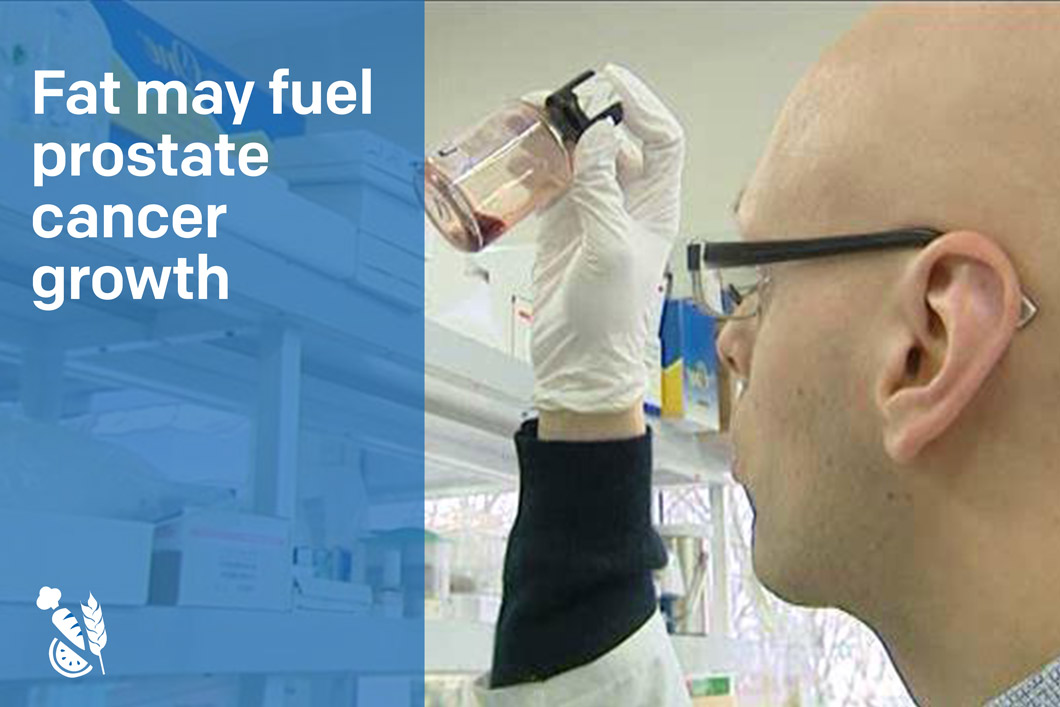
Fat may fuel prostate cancer growth
Being overweight or obese may increase a man’s risk of aggressive prostate cancer, researchers believe after doing animal and human cell studies.
Inherited Predisposition and Prostate Cancer
“My father got prostate cancer when he was 54. My elder brother got it at 52. And I got it at 56, despite my healthy habits.”
Sources and references
Last medical and editorial review: April 2024. See our web page validation committee and our collaborators by clicking here.