Benefits of green tea
- Your diet
- Benefits of green tea
Benefits of green tea

Green tea is an exceptional source of high-potency anti-cancer molecules that make it one of the key elements in any anti-cancer diet. Whether the teas are green, black or wulong, they are all from the same plant. But their characteristics change according to the drying process of the leaves.
During the fermentation process used for the manufacture of black tea, modifications occur in the nature of the polyphenols causing their oxidation and the production of the black pigments. This oxidation eliminates almost all the anti-cancer potential of polyphenols.
Green teas are the ones that undergo the least transformation.
Studies carried out in recent years have shown the benefits of green tea on cancer prevention especially for bladder, prostate, breast and stomach cancers. It is a powerful antioxidant, a detoxifier. It facilitates the death of cancer cells and acts on the process of angiogenesis. In the laboratory, it increases the effects of radiotherapy on cancer cells.

How to drink it?
- An infusion of less than 5 minutes only extracts 20% of the total polyphenol content while infusing the tea for 8–10 minutes extracts all of the polyphenol present in the tea. It is recommended that you infuse 2 g of green tea for 10 minutes and drink it within the hour.
- Adding lemon to your green tea multiplies by 5 the amount of catechins absorbed by your body.
- However, a study published in the medical journal European Heart Journal states that you should never drink green tea with milk. Milk destroys the benefits of green tea and decreases the catechin concentration in the tea.
- Dark chocolate
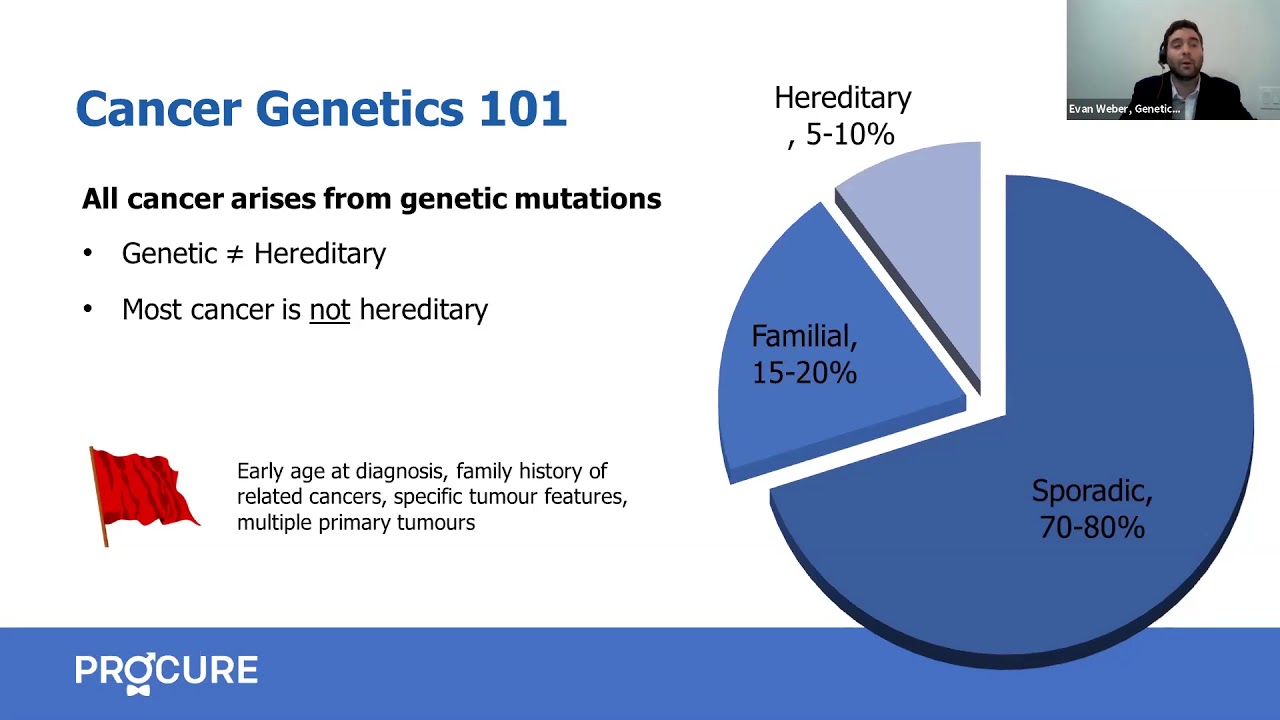
Is prostate cancer hereditary?
Understanding the hereditary and genetic aspects of this disease can provide valuable information to both individuals affected and their families.
Symptoms, risk and screening
Are you over 50 or experiencing urinary problems? Discover why early screening for prostate diseases is important.
Genetics and prostate cancer
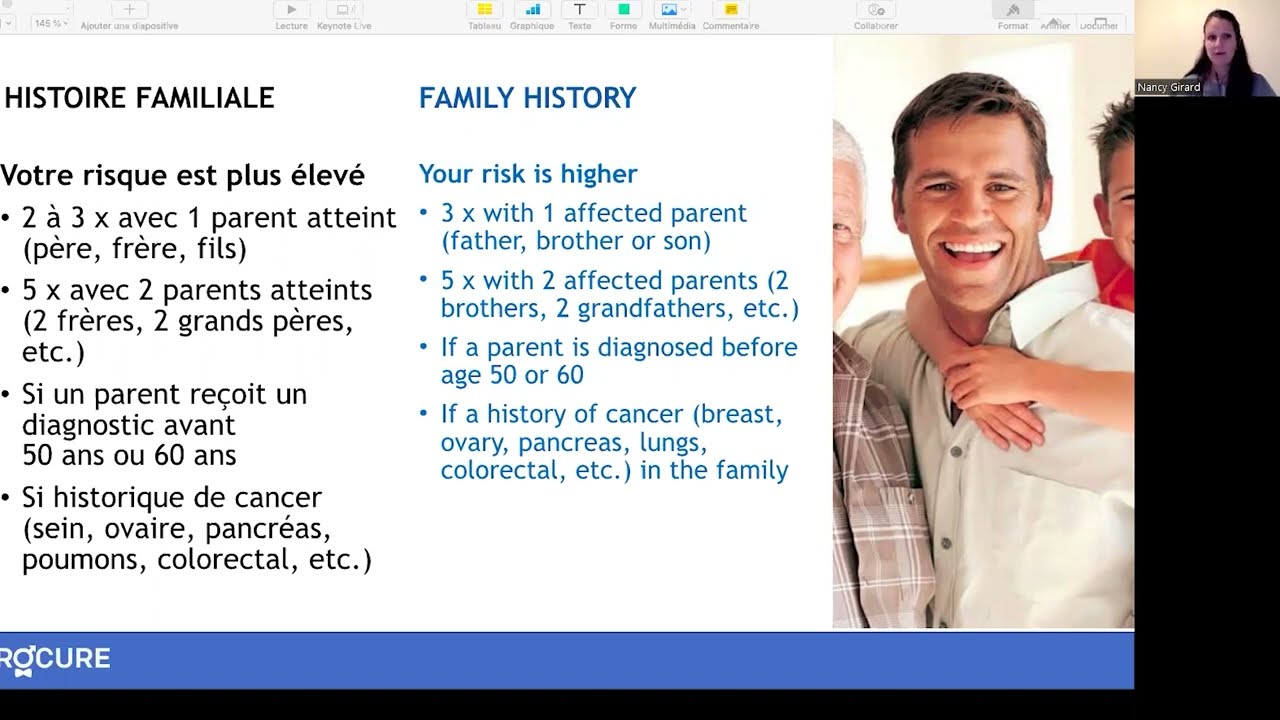
Do you have a family history of cancer? Your doctor might recommend genetic screening.
Genetic predisposition to prostate cancer
Although rare, some hereditary genetic mutations can increase your risk of prostate cancer.
From prostate to screening
Learn about the role of your prostate, related diseases, symptoms to watch out for and risk factors.
Vitamin D deficiency may be linked to aggressive prostate cancer
The Benefits of Vitamin D A great amount of research present the multiple benefits of Vitamin D. For example, Vitamin D regulates the amount of calcium and phosphorus, helps build bones and brings many more benefits to other tissues in the body, including kidneys, intestines and parathyroid glands. In fact, past reasearch found a link […]
Are you at risk? What causes prostate cancer?
The exact causes of prostate cancer are not yet well understood. Researchers have found some risk factors and are trying to determine how these factors lead to prostate cancer.
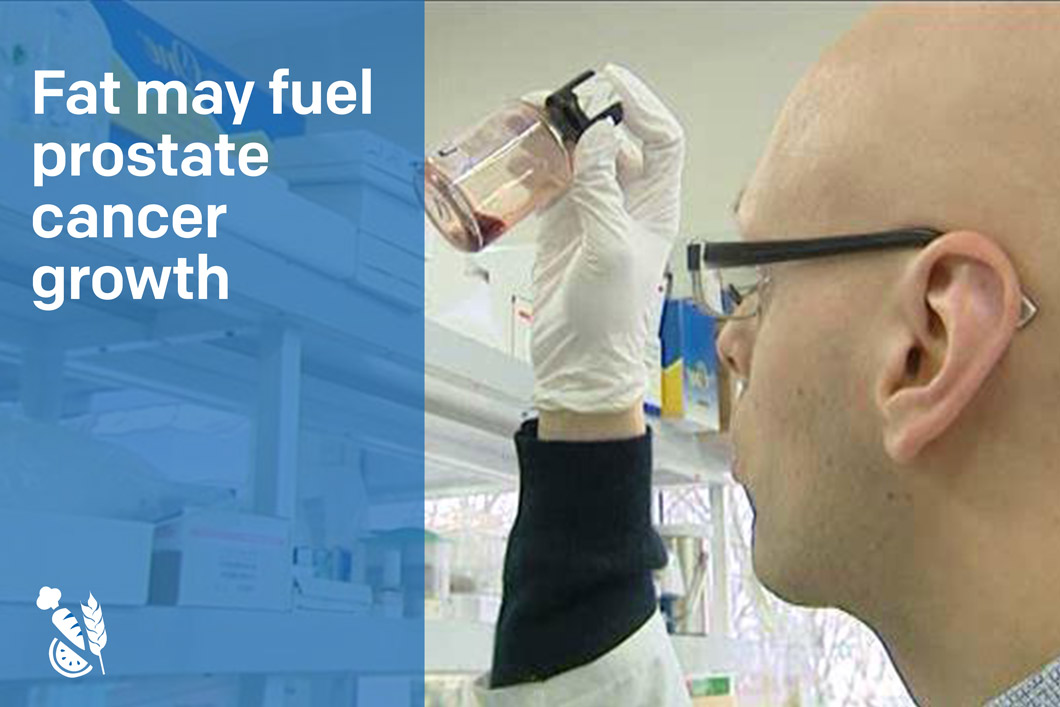
Fat may fuel prostate cancer growth
Being overweight or obese may increase a man’s risk of aggressive prostate cancer, researchers believe after doing animal and human cell studies.
Inherited Predisposition and Prostate Cancer
“My father got prostate cancer when he was 54. My elder brother got it at 52. And I got it at 56, despite my healthy habits.”
Sources and references
Last medical and editorial review: April 2024. See our web page validation committee and our collaborators by clicking here.