Benefits of alliums
- Your diet
- Benefits of alliums
Benefits of alliums
Benefits of alliums

Considered by Egyptians and Greeks as a food that provided strength and endurance (the first Olympians were fed garlic before competitions, making it the first performance-enhancing substance in history!), garlic was also an essential ingredient in the traditional medicines of early civilizations, being used since ancient times as a remedy for a wide variety of conditions, ranging from infections to circulation, respiratory, or digestive problems.
Several population studies indicate that people who regularly consume vegetables from the garlic family (garlic, onion, shallot, chives, leek) are less at risk of developing certain types of cancers, especially those of the digestive system (stomach, esophagus, colon). A protective effect against prostate, pancreatic, and breast cancers has also been reported.
Garlic and its close relatives are therefore essential plants for cancer prevention; in this case, it is important to eat them as regularly as possible. The World Health Organization recommends that adults consume 2 to 5 grams of fresh garlic daily (approximately one clove).
How to eat them?
- Preferably crushed or chopped with a little bit of olive oil. The active molecules are released and are more easily absorbed.
- If possible, eat garlic raw or add it to cooked dishes at the end of cooking as sulphur compounds are destroyed by heat. To obtain all its benefits, it is recommended that you eat two cloves, about 6 g, of garlic a day.
- Onions: Do not rinse peeled onions under running water as it will remove all anti-cancer properties!
Is prostate cancer hereditary?
Understanding the hereditary and genetic aspects of this disease can provide valuable information to both individuals affected and their families.
Symptoms, risk and screening
Are you over 50 or experiencing urinary problems? Discover why early screening for prostate diseases is important.
Genetics and prostate cancer
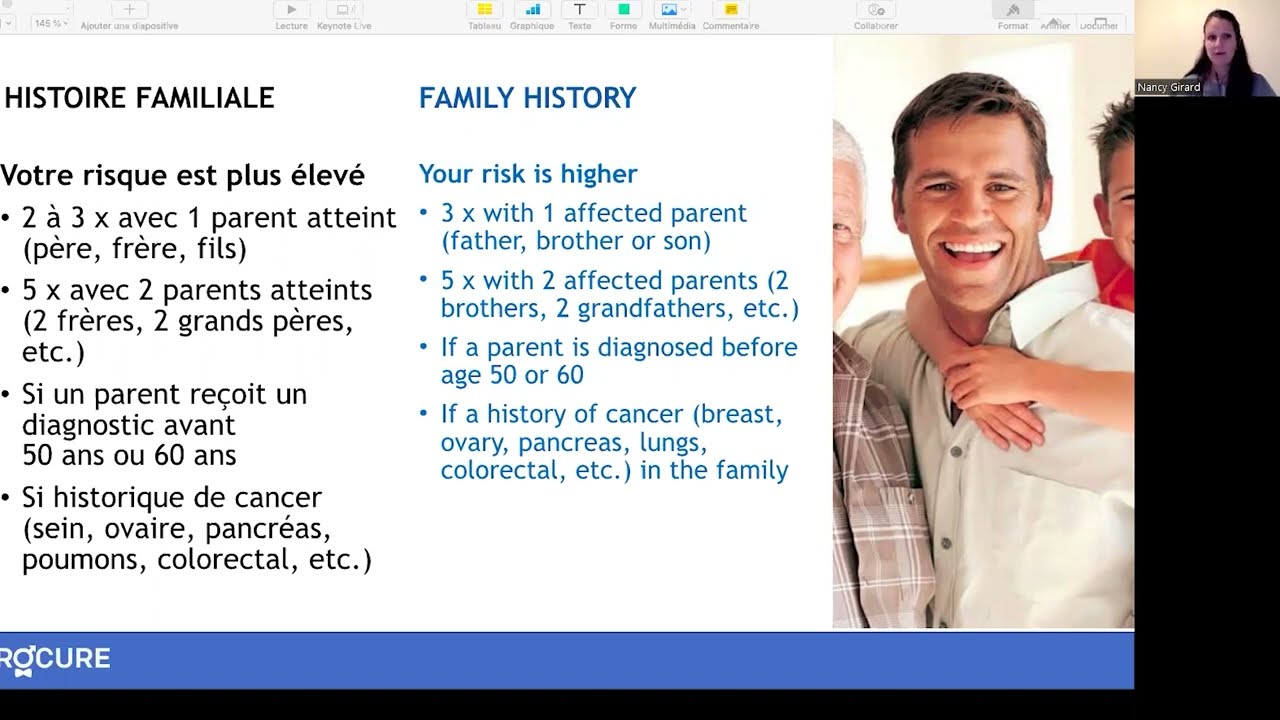
Do you have a family history of cancer? Your doctor might recommend genetic screening.
Genetic predisposition to prostate cancer
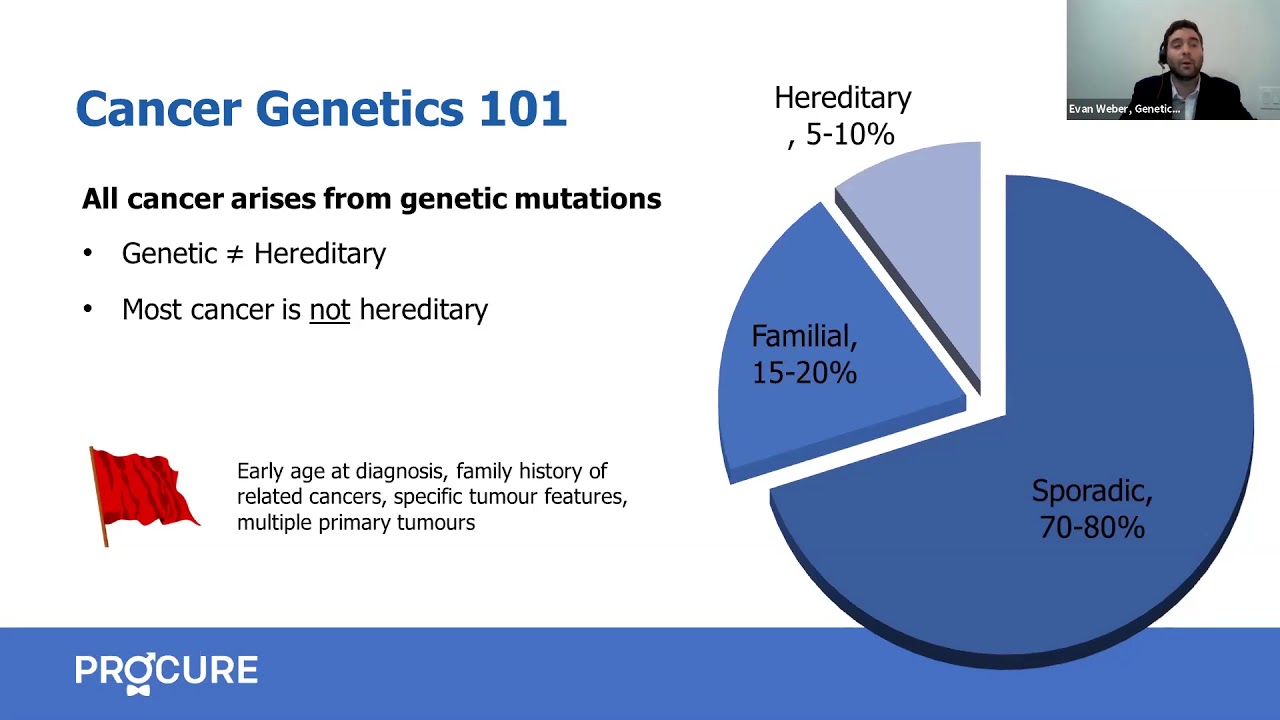
Although rare, some hereditary genetic mutations can increase your risk of prostate cancer.
From prostate to screening
Learn about the role of your prostate, related diseases, symptoms to watch out for and risk factors.
Vitamin D deficiency may be linked to aggressive prostate cancer
The Benefits of Vitamin D A great amount of research present the multiple benefits of Vitamin D. For example, Vitamin D regulates the amount of calcium and phosphorus, helps build bones and brings many more benefits to other tissues in the body, including kidneys, intestines and parathyroid glands. In fact, past reasearch found a link […]
Are you at risk? What causes prostate cancer?
The exact causes of prostate cancer are not yet well understood. Researchers have found some risk factors and are trying to determine how these factors lead to prostate cancer.
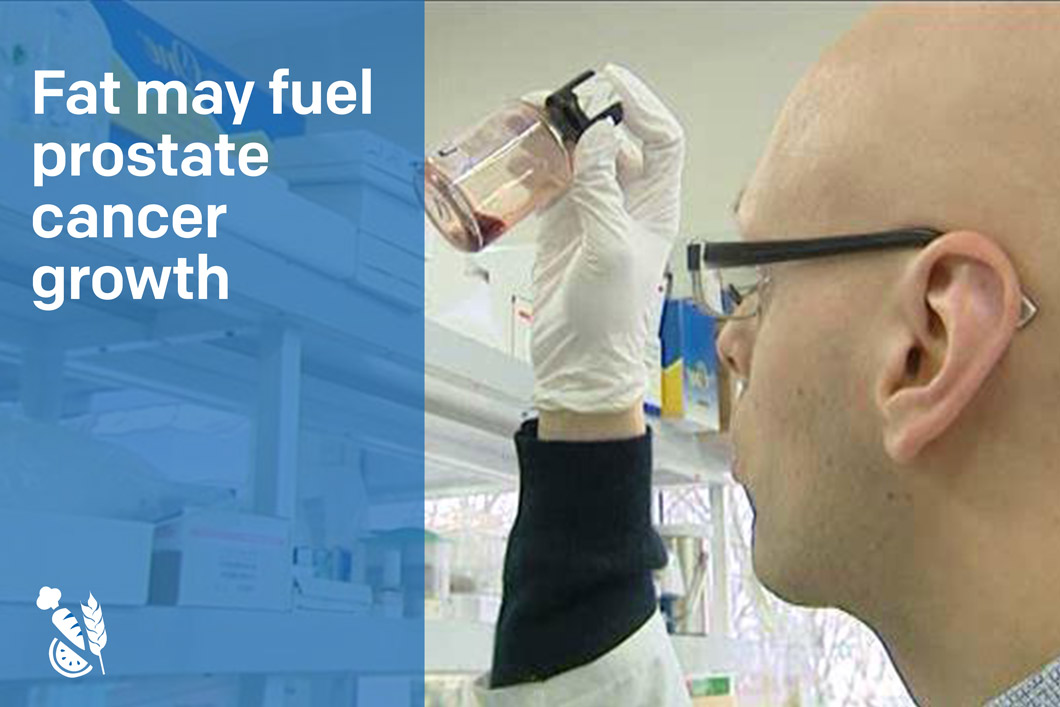
Fat may fuel prostate cancer growth
Being overweight or obese may increase a man’s risk of aggressive prostate cancer, researchers believe after doing animal and human cell studies.
Inherited Predisposition and Prostate Cancer
“My father got prostate cancer when he was 54. My elder brother got it at 52. And I got it at 56, despite my healthy habits.”
Sources and references
Last medical and editorial review: April 2024. See our web page validation committee and our collaborators by clicking here.