


The Jackson-Pratt drain is connected to a container that resembles a grenade called a bulb. This container holds liquid that drains from the incision and helps with healing. Click here to view the maintenance sheet. At first, the liquid may be tinged with blood. After a few days, there will be less liquid, and the color of the liquid will become yellowish.

Understanding the hereditary and genetic aspects of this disease can provide valuable information to both individuals affected and their families.

Are you over 50 or experiencing urinary problems? Discover why early screening for prostate diseases is important.
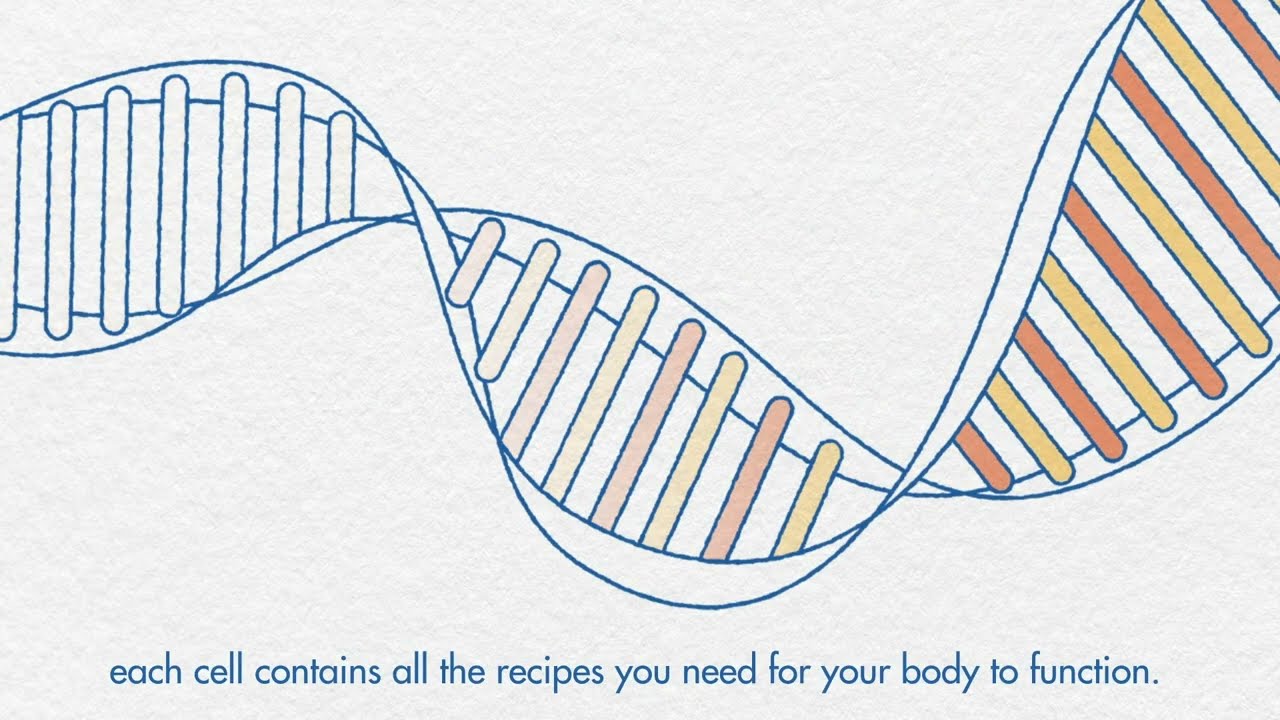
Do you have a family history of cancer? Your doctor might recommend genetic screening.
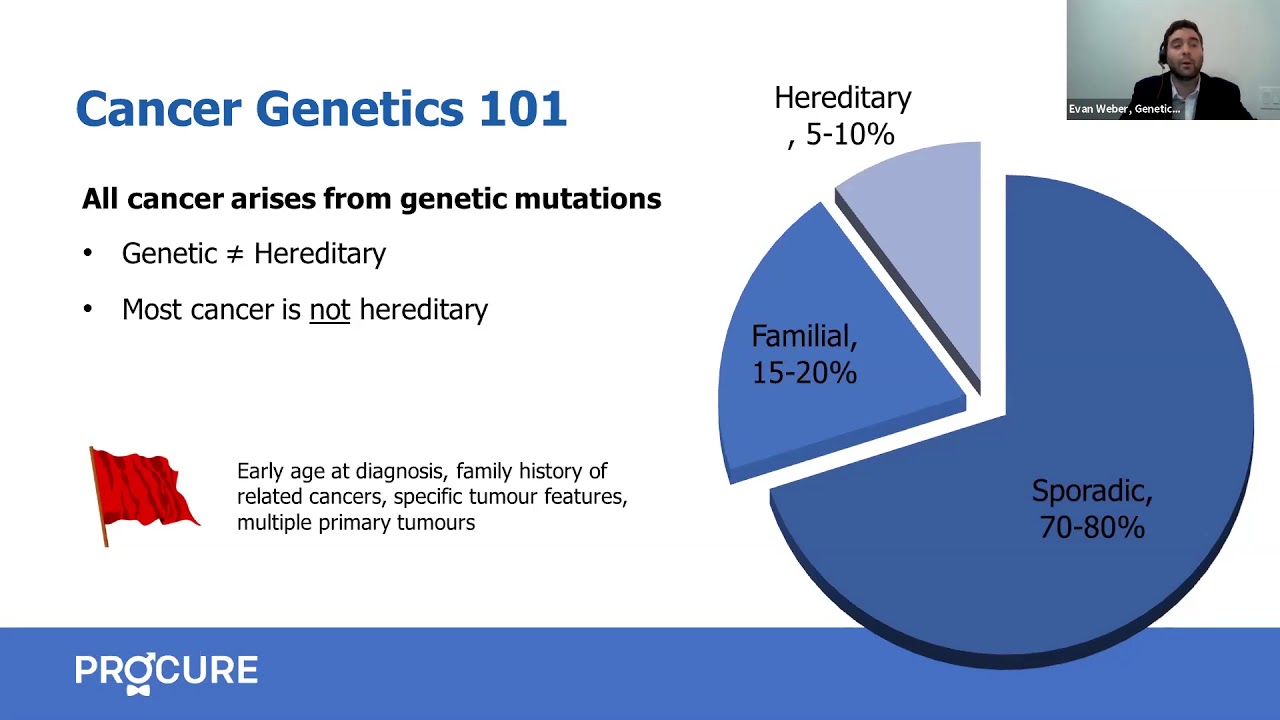
Although rare, some hereditary genetic mutations can increase your risk of prostate cancer.
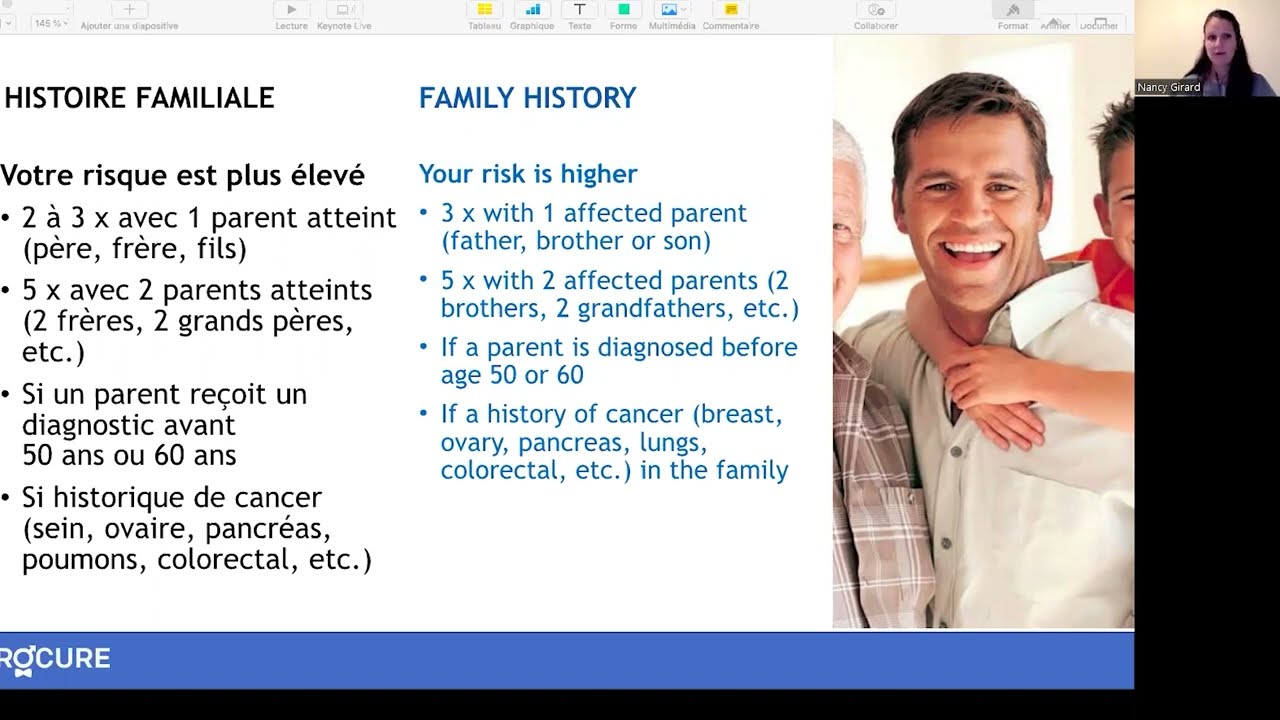
Learn about the role of your prostate, related diseases, symptoms to watch out for and risk factors.

The Benefits of Vitamin D A great amount of research present the multiple benefits of Vitamin D. For example, Vitamin D regulates the amount of calcium and phosphorus, helps build bones and brings many more benefits to other tissues in the body, including kidneys, intestines and parathyroid glands. In fact, past reasearch found a link […]

The exact causes of prostate cancer are not yet well understood. Researchers have found some risk factors and are trying to determine how these factors lead to prostate cancer.

Being overweight or obese may increase a man’s risk of aggressive prostate cancer, researchers believe after doing animal and human cell studies.

“My father got prostate cancer when he was 54. My elder brother got it at 52. And I got it at 56, despite my healthy habits.”
Sources and references
Last medical and editorial review: April 2024. See our web page validation committee and our collaborators by clicking here.