Here is my testimony as a woman; I hope it will encourage others.
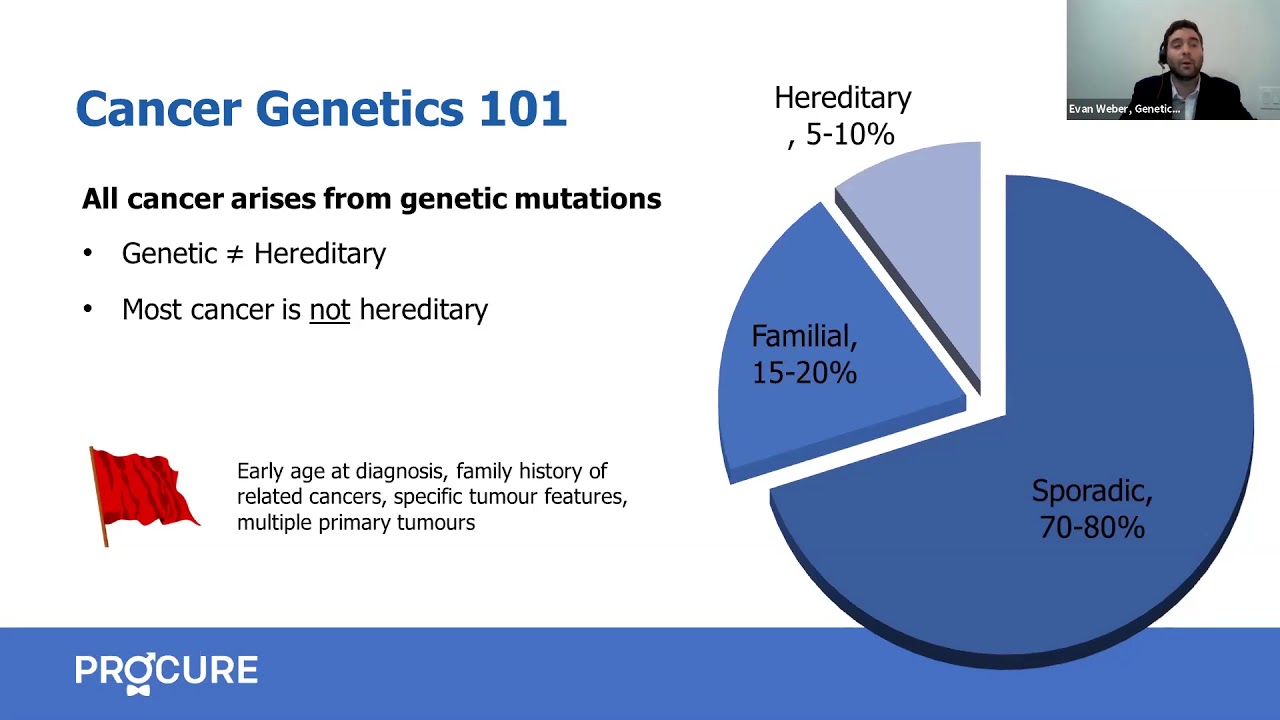
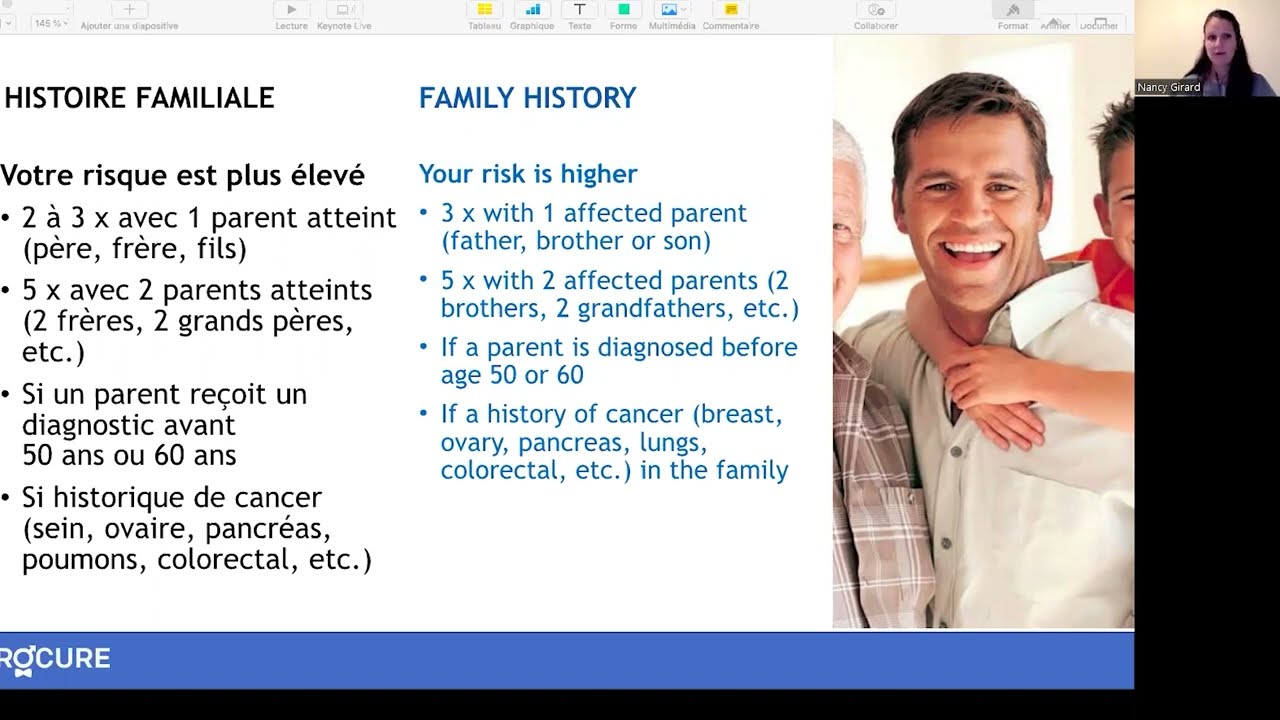
We learned in October that my husband (58 years old) had a Grade 7 cancer despite a PSA of 3.2. His doctor at Maisonneuve-Rosemont was very thorough. Given that my husband had a hereditary factor and his PSA was unstable, the doctor didn’t take any chances and had him undergo a biopsy, which turned out to be positive. We had no idea what was going to happen; for us, it was unknown territory.
We are people who have had the privilege of good health, so hospitals are not a part of our lives. Doctors give us information, but it’s always brief, which is understandable as they are pressed for time, and we understand that. Also, the stress we are experiencing means we might not retain what we hear very well. So, personal research begins. We had heard about your site while listening to Paul Arcand’s show. But as a woman, I didn’t think it was relevant to me. However, when I saw on Facebook the testimony of a woman, I was so pleased.
I read each of those testimonies, and it was comforting. Because as women, we don’t experience this situation in the same way as men. We have concerns; despite the success rates, this illness is frightening. When we read about the possible consequences before the operation—continence issues, erectile dysfunction—it’s not easy.
The best thing as a couple is to talk a lot about fears and emotions as we experience them, both from the man’s and the woman’s side. I think illness is experienced alone within oneself, and I can’t fully understand my husband’s deep feelings because I experience it from the outside, but I can help him as best I can. And by talking to each other, we manage to connect. This is the first time in 33 years of living together that we are facing a situation beyond our control. And that’s when we realize the fragility of life and how precious the person we have beside us is.
My husband is courageous because he chose life! With a prostate cancer diagnosis, there are many questions—surgery or not? His father chose not to undergo surgery and now has widespread bone cancer. So the decision didn’t take long; he had to have the surgery despite everything. Moving towards hope, moving towards healing because surgery means healing.
My husband had surgery on January 13, and we learned about it on October 31. The waiting, even though it wasn’t long, was stressful. We had to plan for recovery, time off work, and everything that entails. The surgery went well; he was fortunate to have robotic surgery, which helps a lot with recovery. But it is not a trivial procedure—5 hours in total. It was a long wait. I can tell you that when I saw my husband come back from the operating room, I was relieved to see him and to know that everything had gone well. For me, he was there, and the fact that the cancer had been removed was a relief for us.
In all of this, it is truly heartening to see how important family is. The support from my two daughters, my son-in-law, and my son has been incredibly beneficial. Knowing that people are there with us and supporting us helps us immensely to get through this. We have a business in which we are partners, so I had the privilege of staying with him during his recovery since the office is in our home. And the messages of encouragement he received have had an impact. In these moments, we experience things that are so profound and real.
My husband is easy to live with, with a good temperament. It’s often said that couples in retirement need to adapt, and it’s not always easy. We realized with my husband’s recovery that retirement together will be easy and that we will likely adapt quickly and enjoy it.
According to Dr. Lebeau, his urologist, the surgery was successful. We have no complaints regarding the care. The nurses at Sacré-Cœur Hospital were professional. He has had no complications, no incontinence to date. Erectile dysfunction, yes. But it is temporary. The important thing is my husband’s health, that the cancer is no longer there, and that the coming years are as pleasant as possible.
So, our motto is one step at a time, let time work, and keep hope.