Breaking the taboos – By Mélanie Monette
- Men of Courage
- Breaking the taboos – By Mélanie Monette
Breaking the taboos – By Mélanie Monette

My husband has had to fight fiercely against this nasty monster in recent months. He is the antithesis of the “typical 70-year-old patient.” He is in great shape, a non-smoker, with no health issues, and yet prostate cancer did not spare him. Thanks to a simple question and a tiny blood test, he is still with us, with one less piece, but in good health.
Now that he is doing well, we both want to get involved in this cause to demystify it, break down taboos, and perhaps find the right words to help other men get diagnosed quickly.
Here is our story:
In February 2012, my husband came back from his annual medical check-up and told me that he had asked the doctor about preventive screening for prostate cancer. Approaching his 50th birthday in a few months, he preferred to be cautious. After 26 years as a paramedic, he knows too well the reality of cancer. This monster doesn’t have a selection grid. It attacks randomly. Since prevention is the wisest route, my husband chose this path.
During the palpation test, which is a rectal examination, my husband learned that his prostate seemed a bit larger than normal. However, the doctor insisted that this is not a very reliable indicator. The blood test to measure PSA (prostate-specific antigen) would be the best indicator.
The blood tests were done, and the waiting for results began. At this stage, we were not too worried. We gathered information online. We learned that normal PSA levels vary by age group:
- Under 50 years = 0.0 to 2.5
- 50 – 59 years = 0.0 to 3.5
- 60 – 69 years = 0.0 to 4.5
- 70 years and older = 0.0 to 6.5
According to PROCURE data, only 1 in 4 men with an abnormal PSA level will actually have prostate cancer. The results arrived. PSA 4: normal 2.5. According to the doctor, it was not concerning, but he would monitor it every 6 months.
Six months later, the PSA had risen to 6.3. The urologist requested a biopsy. 10 “core samples” were taken from my husband’s prostate. The waiting for results started again. Since this waiting period coincided with the holiday season, we would not receive news until 2 months later.

Is prostate cancer hereditary?
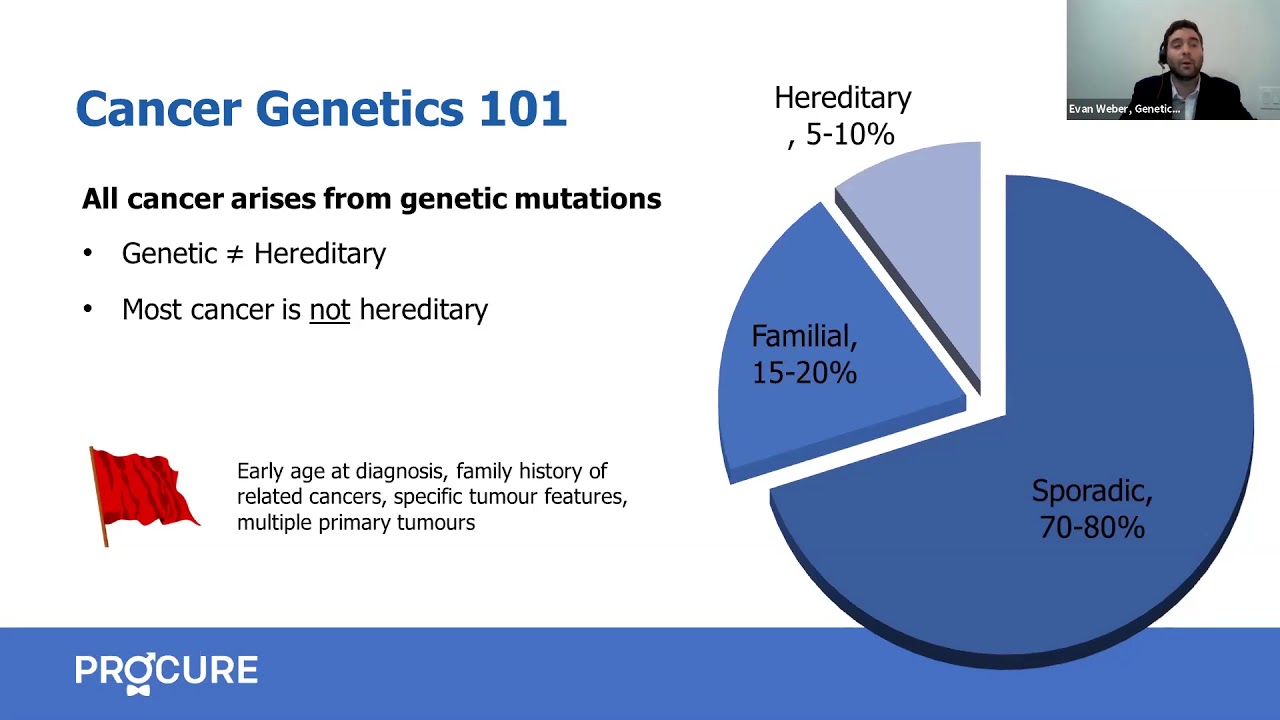
Understanding the hereditary and genetic aspects of this disease can provide valuable information to both individuals affected and their families.
Symptoms, risk and screening
Are you over 50 or experiencing urinary problems? Discover why early screening for prostate diseases is important.
Genetics and prostate cancer
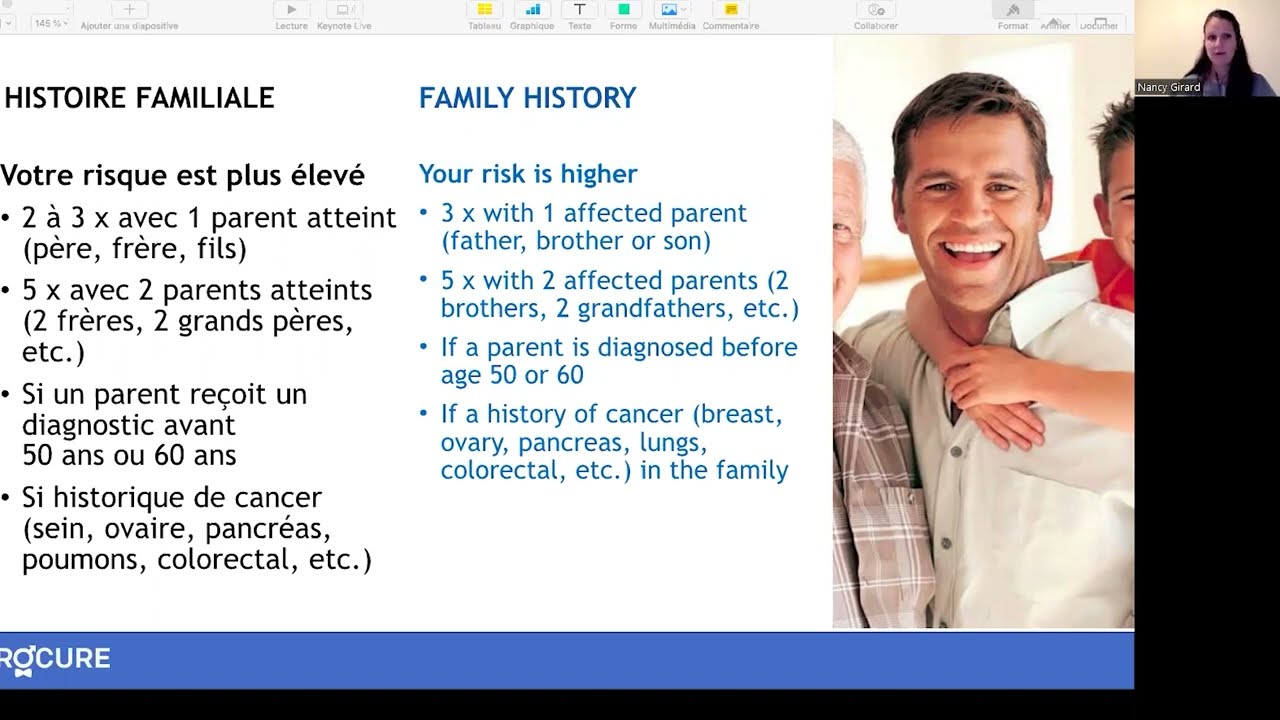
Do you have a family history of cancer? Your doctor might recommend genetic screening.
Genetic predisposition to prostate cancer
Although rare, some hereditary genetic mutations can increase your risk of prostate cancer.
From prostate to screening
Learn about the role of your prostate, related diseases, symptoms to watch out for and risk factors.
Vitamin D deficiency may be linked to aggressive prostate cancer
The Benefits of Vitamin D A great amount of research present the multiple benefits of Vitamin D. For example, Vitamin D regulates the amount of calcium and phosphorus, helps build bones and brings many more benefits to other tissues in the body, including kidneys, intestines and parathyroid glands. In fact, past reasearch found a link […]
Are you at risk? What causes prostate cancer?
The exact causes of prostate cancer are not yet well understood. Researchers have found some risk factors and are trying to determine how these factors lead to prostate cancer.
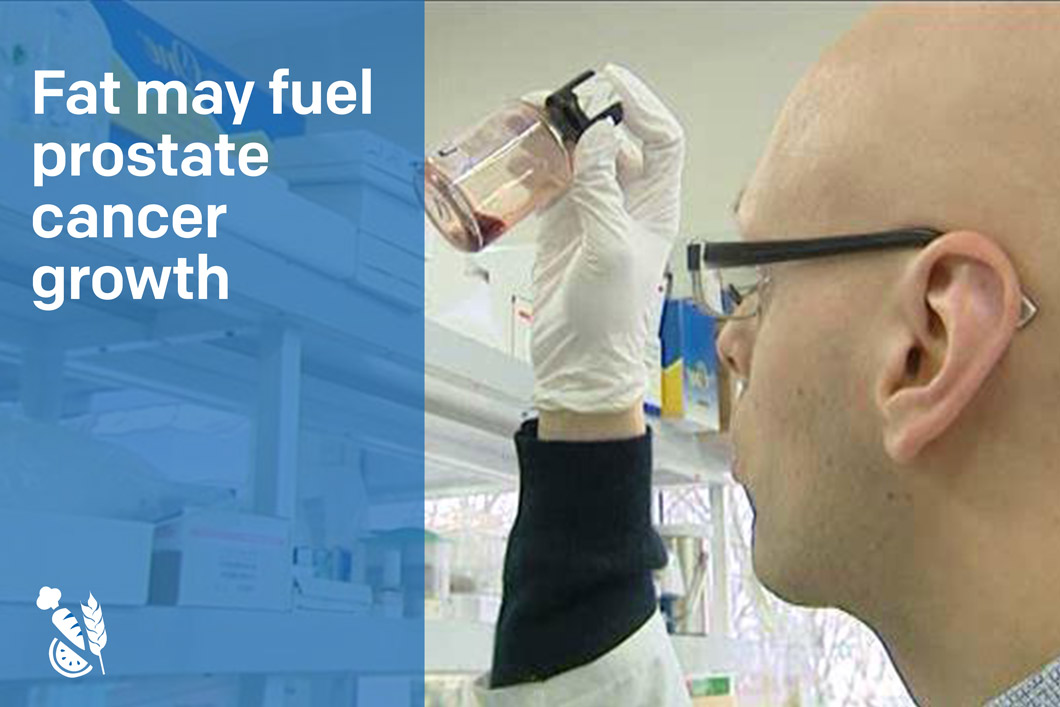
Fat may fuel prostate cancer growth
Being overweight or obese may increase a man’s risk of aggressive prostate cancer, researchers believe after doing animal and human cell studies.
Inherited Predisposition and Prostate Cancer
“My father got prostate cancer when he was 54. My elder brother got it at 52. And I got it at 56, despite my healthy habits.”
Sources and references
Last medical and editorial review: April 2024. See our web page validation committee and our collaborators by clicking here.