Preparation for a brachytherapy
- Brachytherapy
- Preparation for a brachytherapy
Preparation for a brachytherapy

Your preparation will help you recover more quickly and with less stress. By reading the following, you will know exactly what to expect.
Be active
It is important to move to stay healthy, even if you have prostate cancer. Therefore, if you already engage in regular activity, continue to do so. If not, it is never too late to add physical activity, even of low intensity, to your daily routine.
Thus, a simple 15 to 30-minute walk can be beneficial.
Try to quit smoking
Although it can be stressful, quitting smoking is recommended to reduce the risk of lung problems and infection. If necessary, your doctor can prescribe medications to help.
Reduce your alcohol intake
Alcohol can worsen urinary issues, so it is recommended to reduce your alcohol consumption.
Adopt good eating habits
A healthy and balanced diet will also help you recover quickly from your treatments. The energy, proteins, vitamins, and minerals provided by your diet help combat fatigue and infections.
Basic tips
- Have three meals a day and snacks as needed.
- Consume foods from all four food groups of the Canadian Food Guide (low-fat dairy, fruits and vegetables, grain products, lean meats, skinless poultry, fish, and substitutes) to ensure adequate daily intake of different nutrients.
- Include at least one meal a day of lean meat, skinless poultry, or fish to ensure adequate daily intake of different nutrients.
- Emphasize vegetables and fruits which are an excellent source of vitamins and minerals.
- Drink enough water (at least 1500 ml per day or 6 to 8 glasses of water).
Your medications
Check with your doctor about the protocol for stopping your medications.
Natural products
If necessary, discuss it first with your radiation oncologist.
Organize your transportation
You should leave the hospital on the same day if everything goes smoothly. You will not be able to drive yourself home, so it is best to have someone accompany you upon discharge.

Additional Information - Your prostate
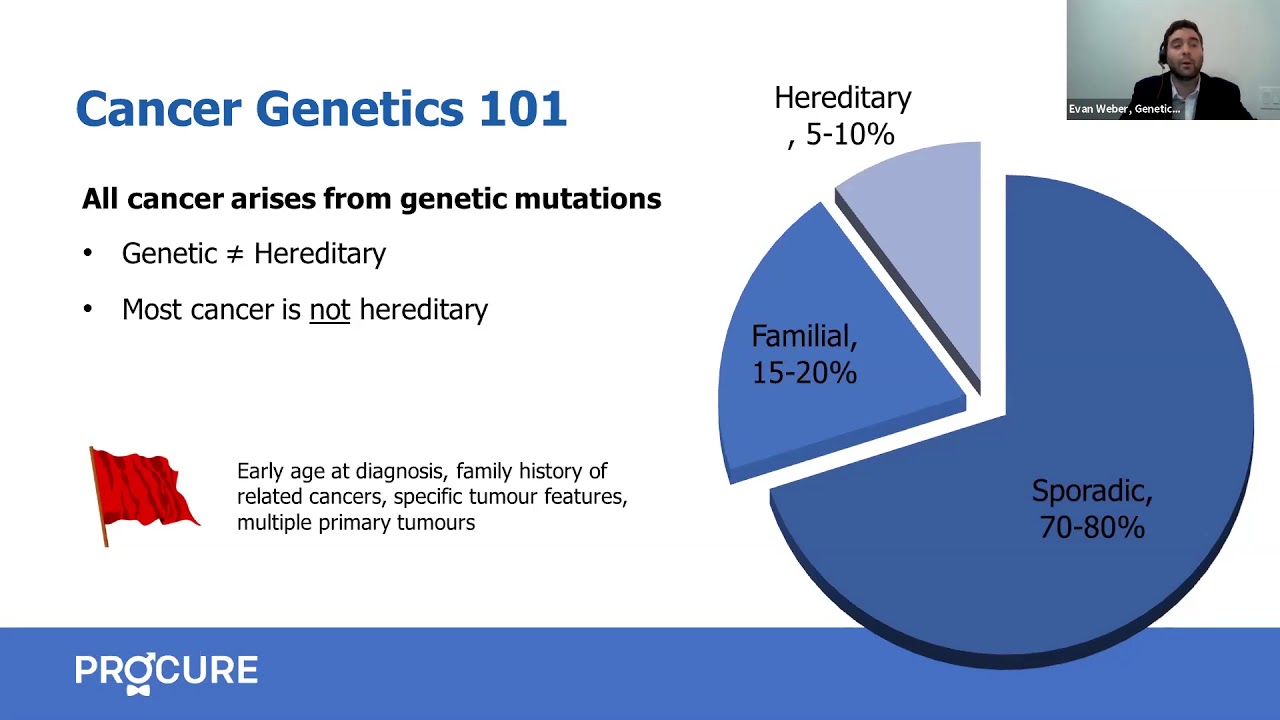
Is prostate cancer hereditary?
Understanding the hereditary and genetic aspects of this disease can provide valuable information to both individuals affected and their families.
Symptoms, risk and screening
Are you over 50 or experiencing urinary problems? Discover why early screening for prostate diseases is important.
Genetics and prostate cancer
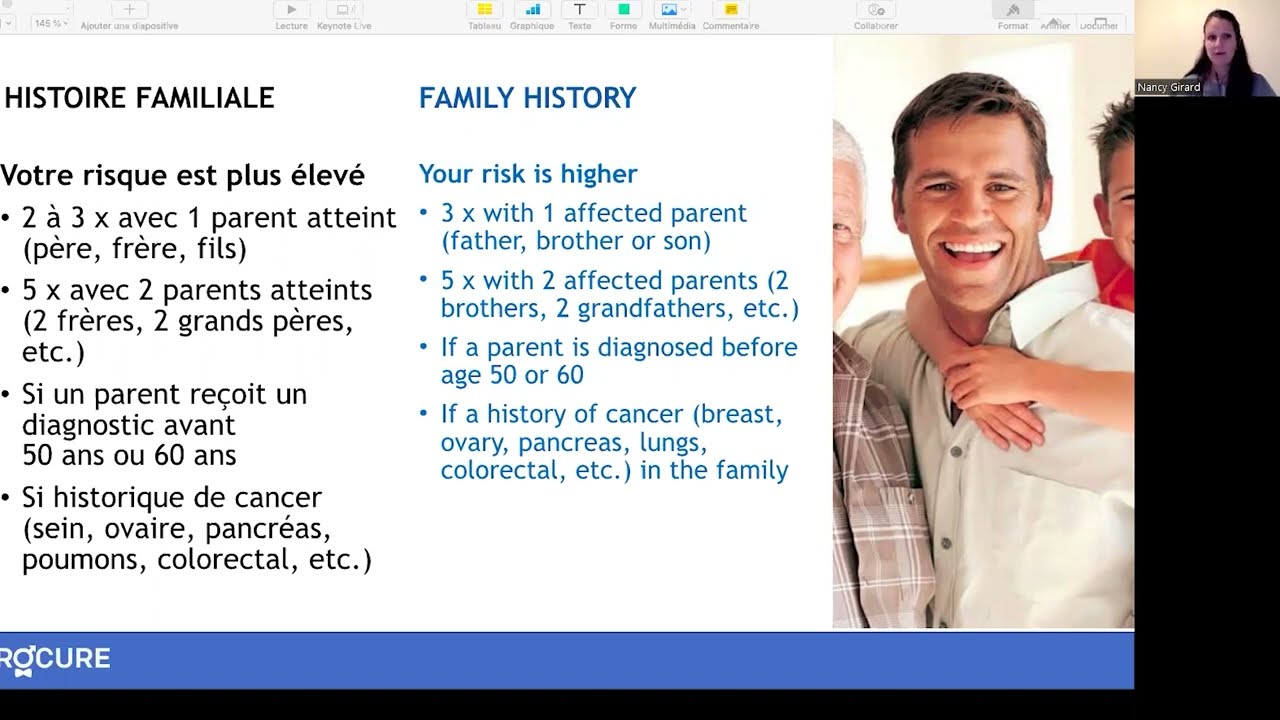
Do you have a family history of cancer? Your doctor might recommend genetic screening.
Genetic predisposition to prostate cancer
Although rare, some hereditary genetic mutations can increase your risk of prostate cancer.
From prostate to screening
Learn about the role of your prostate, related diseases, symptoms to watch out for and risk factors.
Sources and references
Last medical and editorial review: April 2024. See our web page validation committee and our collaborators by clicking here.