
Pain management
- Side effects
- Pain management
- Tips for managing pain
Pain management
Pain management
People with advanced cancer may experience pain. It can impact you both physically and emotionally, affecting healing and contributing to fatigue, loss of appetite, and difficulty sleeping. Depending on your cancer and the type of treatments you receive, you may experience pain that is acute (short‑term), chronic (long‑term), or breakthrough (pain that occurs despite a regular dose of pain medicine).
Measures to relieve pain
The most important thing to know about cancer pain is that you can take steps to relieve it. Your healthcare team can help you manage pain in different ways, and there are measures you can take to assist them.
Speak up
You are not expected to accept pain, and no one will think you are weak for admitting that you are in pain. When pain persists for a long time, it becomes harder to treat. The more your healthcare team knows about your pain, the better they will be able to help you manage it.
Monitor your pain
Note when the pain occurs, what triggered it, its location, its intensity (try using a simple scale from 1 to 10), and the measures you have taken to relieve it. This kind of information is very helpful for assisting your healthcare team in controlling your pain.
Follow management measures
It may take hours or days to get your pain under control. In the meantime, many strong pain medications can have side effects such as confusion, lethargy, and drowsiness. Don’t let these side effects prevent you from maintaining your pain treatment regimen! By discussing with your healthcare team, they can adjust your medication regimen.
Work with your healthcare team
You can collaborate with your healthcare team to develop a pain management plan. This plan may include:
- Over-the-counter medications
- Prescription medications
- Treatments that eliminate the source of pain, such as radiotherapy
Additional Information - Side effects
Advanced prostate cancer treatments strategies
Strategies for treating advanced cancer have significantly evolved, offering new options and hope for patients.
Prostate Cancer Study Results Summaries (2023 ASCO-GU)
Summary of clinical trial results on promising prostate cancer research.

Advanced Prostate Cancer Triple Therapy Study Results (2023 ASCO-GU)
Clinical trial results on triple therapy for advanced hormone-sensitive prostate cancer.
Expert Opinion: Prostate Cancer and Hormone Therapy
What you need to know about hormone therapy and how to manage the side effects of this treatment.
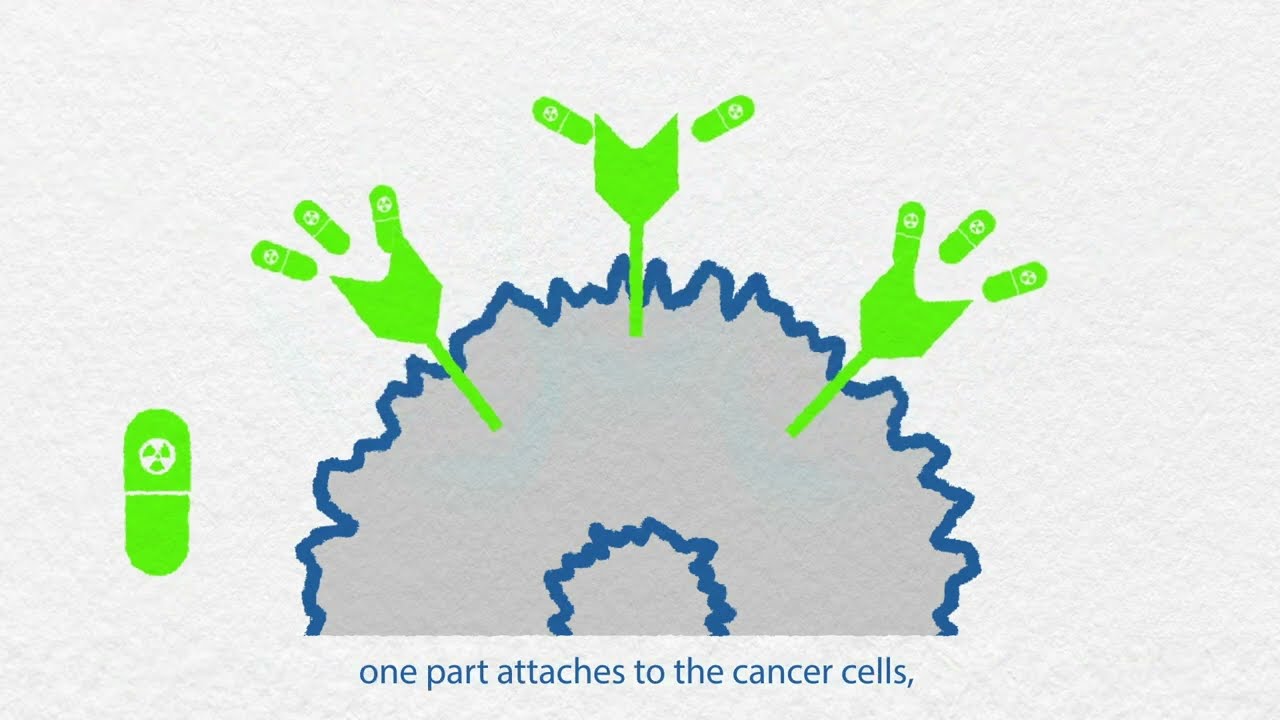
Prostate cancer and nuclear medicine
What about nuclear medicine? Is it suitable for your situation?
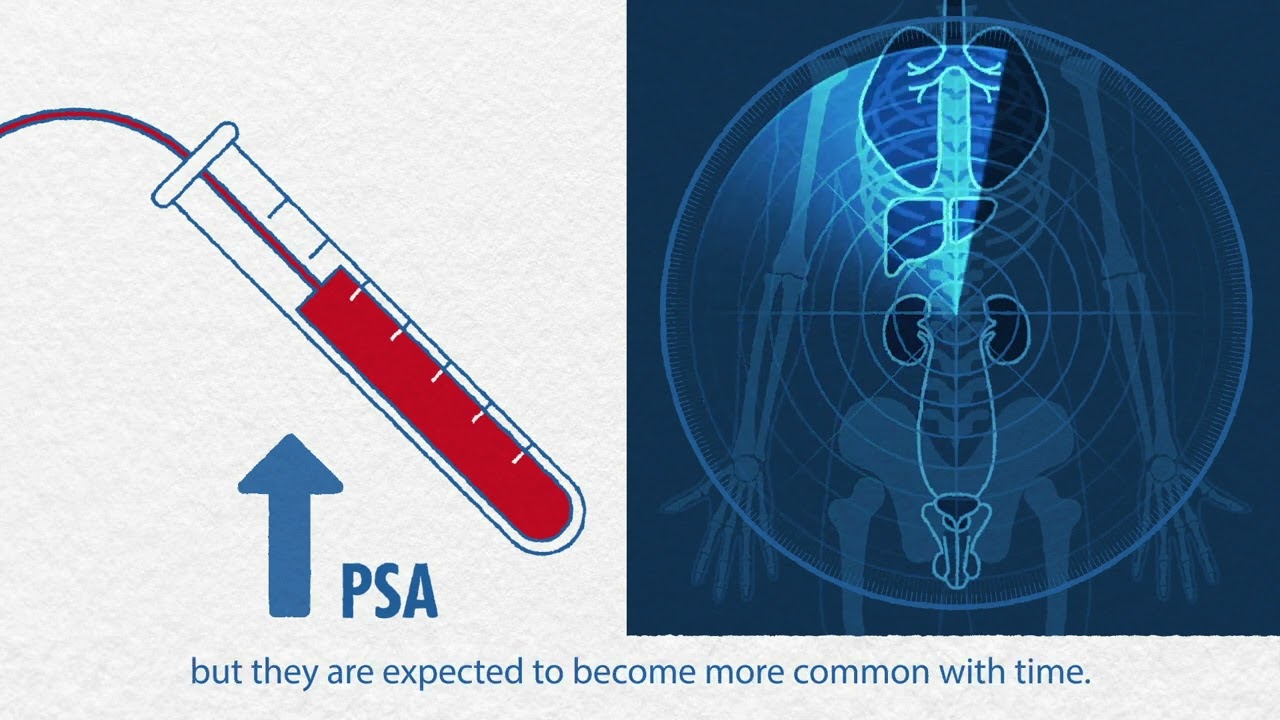
Nuclear imaging technologies
Has your doctor suggested prostate imaging tests? Explore options like PSMA PET scans.

Targeted therapy and inherited mutations
If you have a specific genetic mutation, you could benefit from new targeted treatments.
States of prostate cancer following treatment
Do your recent tests show an increase in PSA levels? It could indicate a recurrence.
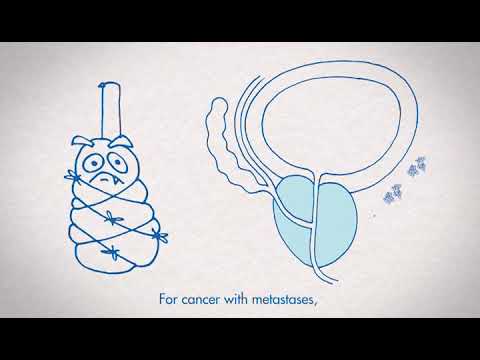
The role of hormone therapy
Has your doctor recommended hormone therapy? This video is for you!

Advanced prostate cancer treatment strategies
Strategies for treating advanced cancer have significantly evolved, offering new options and hope for patients.

Advanced prostate cancer treatment
Advanced prostate cancer encompasses various conditions, including metastatic, recurrent, and hormone-resistant forms, each raising different questions and concerns.
When prostate cancer comes back
A recurrence is when the cancer returns after treatment. The main question is, “What’s next?”
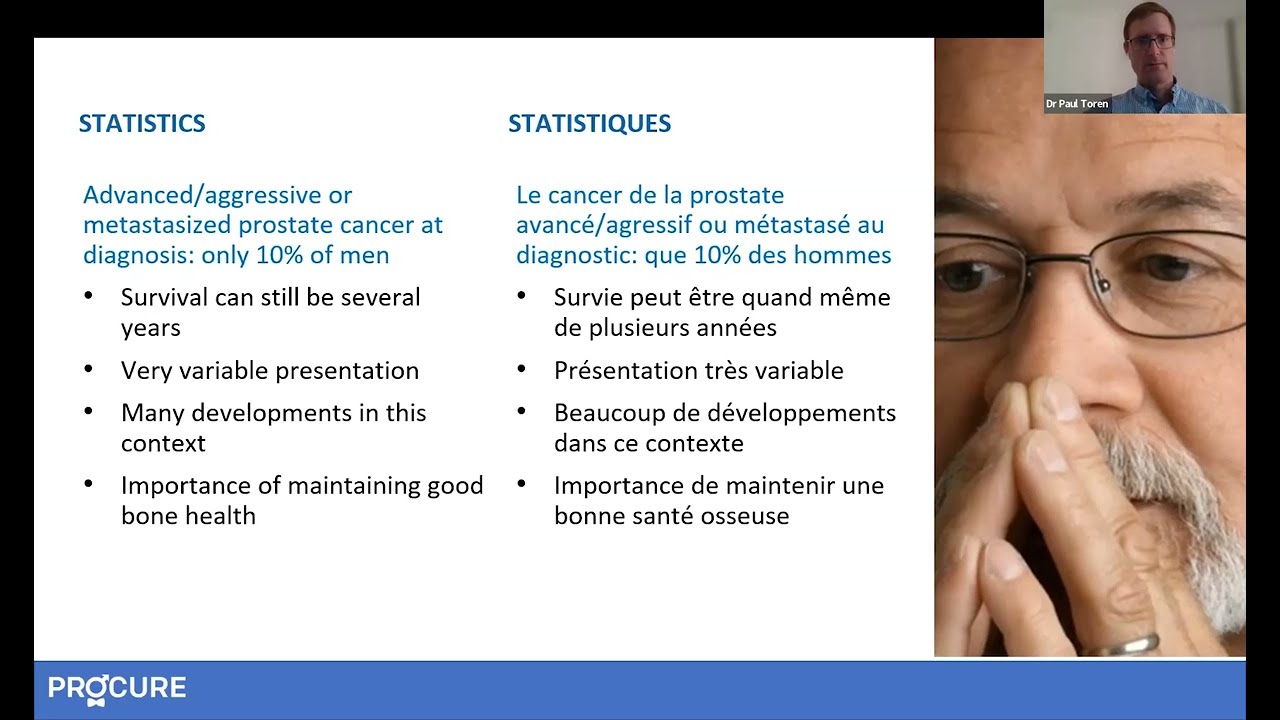
How to treat advanced prostate cancer
Advanced prostate cancer encompasses various conditions, including metastatic, recurrent, and hormone-resistant forms, each raising different questions and concerns.
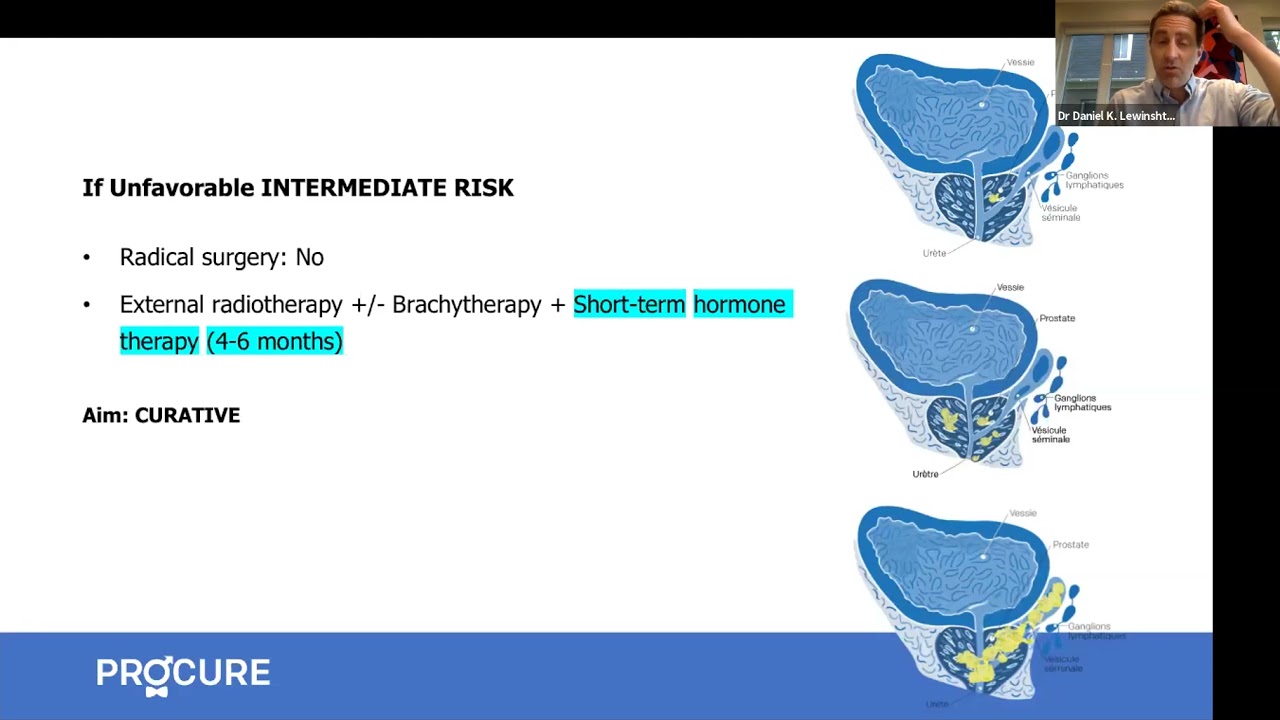
All about hormone therapy
Hormone therapy can reduce tumor size, control cancer, and prolong life. Is it the right treatment for your cancer?

Q-A – New therapies for advance prostate cancer
In this interview, we answer patients’ questions about new therapies for advanced prostate cancer.

The effects of hormone therapy and PARP inhibitors
Learn how hormone therapy and PARP inhibitors work in your body and what side effects to anticipate.

Bone scan: detecting bone metastases
When prostate cancer progresses to an advanced stage, it can spread to the bones. This is where a bone scan plays a role.
Prostate cancer: better understanding your tests
Understand the purpose of your tests (PSA, MRI, PSMA PET scan, biopsy, bone scan) to better navigate them.
Prostate cancer: better understanding hormone therapy
Which approach is better: continuous or intermittent hormone therapy?

Advanced cancer: Factors influencing life expectancy
What factors can influence life expectancy in advanced prostate cancer, and how can one optimize quality of life?
Orchiectomy? Never heard of that word!
Orchiectomy, a form of hormone therapy, involves surgically removing the testicles, depriving the cancer of testosterone.
Food tastes funny…!
I feel like one of the worst effects was losing my taste buds. Everything I tried to eat tasted funny. So why food tastes funny?
Advanced prostate cancer-What should I know?
Advanced prostate cancer-What should I know? The term advanced prostate cancer does not describe just one type of disease, but several. It can be locally advanced, recurrent, metastatic, or resistant to castration. These terms are probably unfamiliar to you and can raise many questions. Here are 5 things you should know Your cancer has returned? […]

When hormone therapy significantly increases overall survival…
The arrival of next-generation hormone therapy to treat non-metastatic castration-resistant prostate cancer provides a significant opportunity for men and their families. Non-metastatic castration resistant prostate cancer treatment NUBEQA® (darolutamide) significantly improves overall survival with a favourable safety profile in men with non-metastatic prostate cancer. Source: Bayer Canada Press Release MISSISSAUGA, ON, June 16, 2020 – Data […]
Sources and references
Last medical and editorial review: April 2024. See our web page validation committee and our collaborators by clicking here.
